April 23, 2026
Trees are a valuable part of any landscape, offering shade, beauty, and environmental benefits that enhance both residential and commercial properties. However, there are times when a tree can become more of a liability than an asset. Knowing when to remove a tree is not always obvious, especially when the signs of decline or danger develop gradually over time. Property owners who understand what to look for can make informed decisions that protect their surroundings and maintain the overall health of their landscape.
Trees often hold sentimental value and contribute significantly to curb appeal, making the decision to remove one a difficult choice for many property owners. However, balancing aesthetics with safety and long-term property health is crucial. Understanding the circumstances that warrant removal can help you act confidently and responsibly when the time comes.
While many homeowners prefer to preserve trees whenever possible, safety and structural concerns sometimes make removal unavoidable. Whether a tree is diseased, damaged, or posing a risk to nearby structures, recognizing the warning signs early is essential. Professional tree services can help assess the condition of trees and determine the best course of action, ensuring both safety and proper care for the remaining landscape.
Recognizing Signs of Tree Disease and Decay
One of the most common reasons for tree removal is disease or internal decay. Trees suffering from disease often exhibit visible symptoms such as discolored leaves, unusual growth patterns, or fungal development along the trunk or roots. Mushrooms or conks growing at the base of a tree can be a strong indicator of internal rot, which weakens the structural integrity of the tree over time.
In many cases, disease spreads gradually, making it difficult for untrained eyes to detect early warning signs. Leaves may thin out, branches may die back, or the tree may fail to produce foliage during the growing season. These symptoms can indicate that the tree is struggling to transport nutrients effectively. When a significant portion of the tree is affected, recovery may no longer be possible.
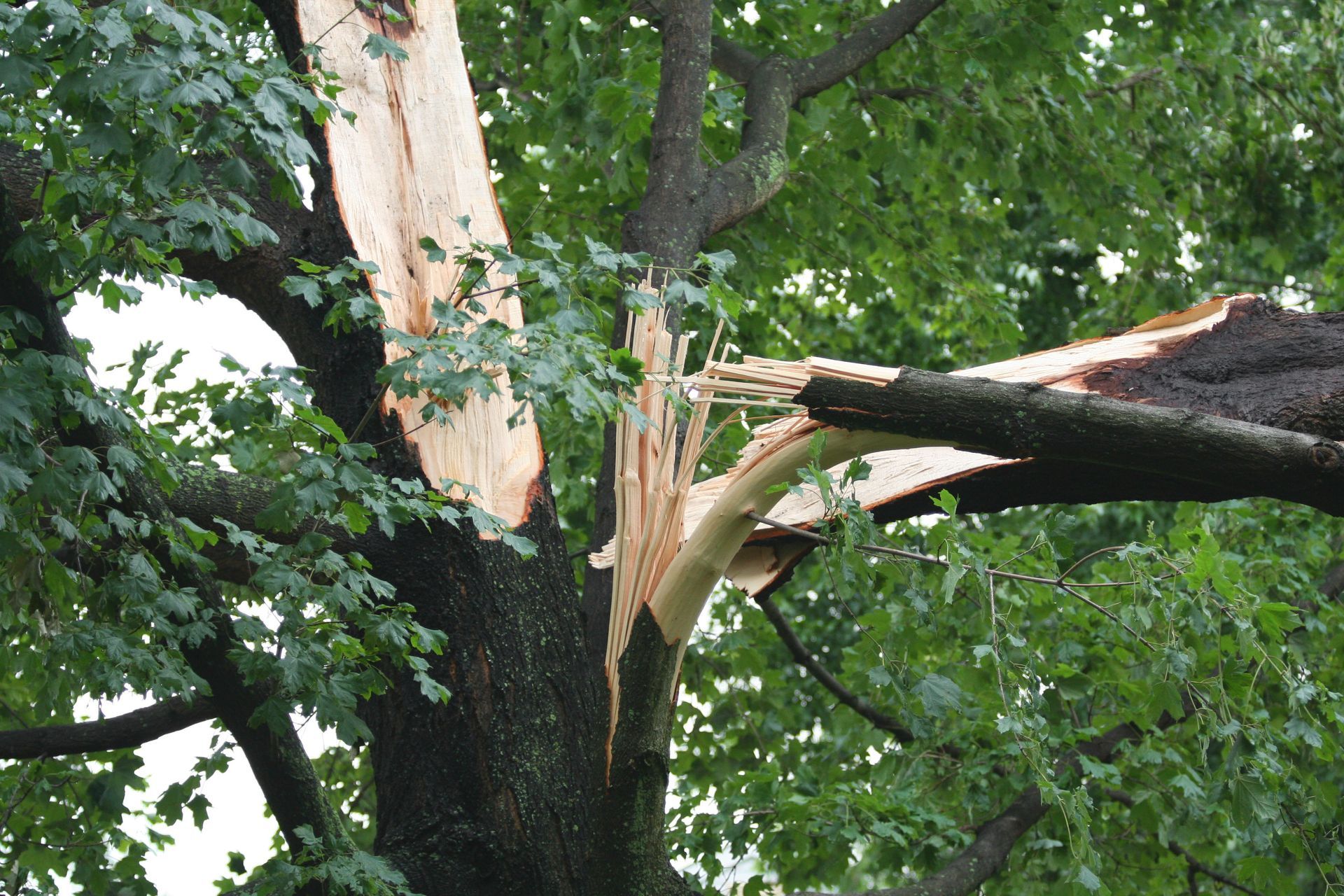
Cracks in the trunk or large sections of missing bark are also signs of serious health issues. These structural defects can make the tree more susceptible to breaking, especially during storms or high winds. A compromised trunk often means the tree cannot support its own weight safely.
When disease or decay reaches an advanced stage, removal is often the safest option. Consulting experienced tree services ensures an accurate diagnosis and helps prevent the spread of disease to nearby healthy trees.
Identifying Structural Damage and Safety Hazards
Trees that have suffered structural damage pose immediate safety concerns. Storms, lightning strikes, or heavy winds can cause significant harm, leaving trees unstable and unpredictable. Broken branches hanging in the canopy, split trunks, or leaning trees are all warning signs that should not be ignored.
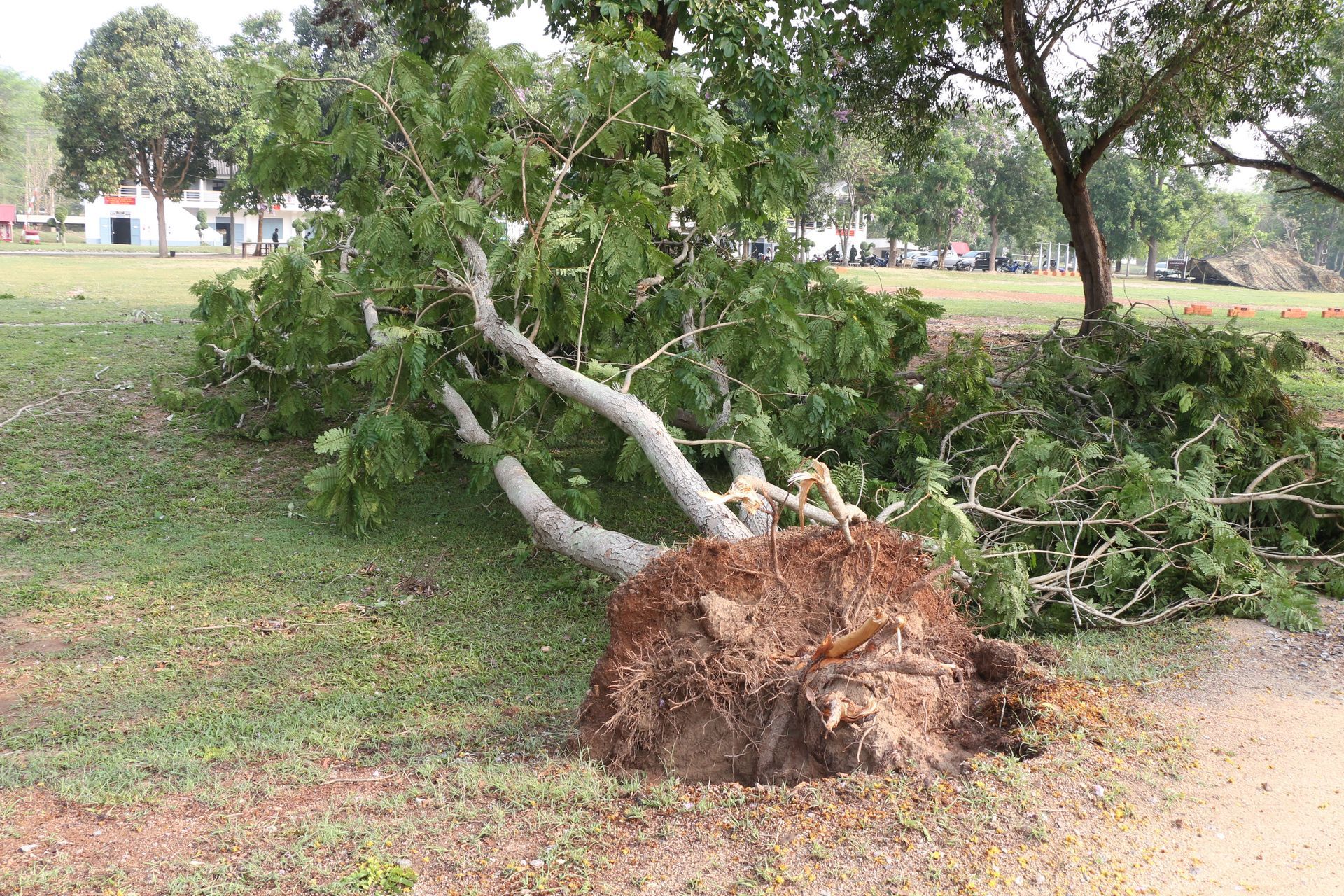
A tree that suddenly begins to lean may indicate root failure or shifting soil conditions. While some trees naturally grow at an angle, a recent or worsening lean is often a red flag. If the tree is leaning toward a home, driveway, or power lines, the risk becomes even more serious.
According to the Occupational Safety and Health Administration, three common hazards associated with tree care are falling branches, power lines, and faulty safety equipment. These dangers highlight the importance of addressing damaged trees promptly and relying on trained professionals for evaluation and removal.
Ignoring structural damage can lead to costly consequences, including property damage or personal injury. Professional tree services have the tools and expertise needed to safely remove hazardous trees while minimizing risk to surrounding areas.
Considering Proximity to Structures and Infrastructure
Location plays a critical role in determining whether a tree should be removed. Trees growing too close to homes, garages, fences, or utility lines can create ongoing problems as they mature. Roots may interfere with foundations, sidewalks, or underground pipes, leading to expensive repairs.
Overhanging branches can also pose a threat to roofs, windows, and vehicles. During storms, these branches are more likely to break and cause damage. Even without severe weather, constant contact between branches and structures can lead to wear and tear over time.
Utility lines present another significant concern. Trees growing into or near power lines can disrupt service and create fire hazards. In many cases, utility companies may require removal if a tree poses a risk to infrastructure.
When a tree’s location compromises safety or property integrity, removal may be the most practical solution. Working with tree services ensures that the process is handled efficiently and in compliance with local regulations.
Eliminating Dead or Dying Trees
A dead tree is one of the clearest indicators that removal is necessary. Without living tissue to support growth and stability, dead trees become brittle and prone to breaking. Branches can fall unexpectedly, and the entire tree may collapse without warning.
Signs of a dead tree include the absence of leaves during the growing season, brittle branches that snap easily, and dry, peeling bark. In some cases, only portions of the tree may be dead, but this can still create hazardous conditions.
Dying trees may show gradual decline, such as reduced leaf production, increased pest activity, or significant limb loss. While some trees can recover with proper care, others may continue to deteriorate despite intervention.
Leaving a dead or dying tree in place can also attract pests such as termites, beetles, and rodents. These pests may eventually spread to nearby plants or even structures. A professional tree service can assess whether a tree is beyond saving and recommend safe removal when necessary.
Acknowledging Root Damage and Soil Issues
Healthy roots are essential for a tree’s stability and overall health. When roots are damaged or compromised, the entire tree is at risk. Root damage can occur due to construction, soil compaction, excavation, or changes in drainage patterns.
One of the most noticeable signs of root problems is a tree that begins to lean or shows signs of instability. Cracked soil around the base, exposed roots, or sudden changes in growth can also indicate underlying issues. Since roots anchor the tree, any damage can significantly increase the likelihood of it falling.
Poor soil conditions can further contribute to root problems. Overly saturated soil, for example, can weaken root systems and reduce their ability to support the tree. On the other hand, extremely dry conditions may prevent roots from absorbing necessary nutrients.
Because root damage is often hidden below the surface, it can be difficult to assess without professional help. Tree services can evaluate soil conditions and root health to determine whether removal is the safest option.
Understanding when tree removal is necessary is essential for maintaining a safe and healthy property. While trees provide numerous benefits, they can also pose risks when they become diseased, damaged, or unstable. Recognizing the warning signs—such as decay, structural issues, poor location, or root damage—allows property owners to take action before problems escalate.
Working with knowledgeable professionals ensures that decisions are based on accurate assessments and proper safety practices. Tree services play a crucial role in identifying hazards, recommending solutions, and carrying out removals when needed. By staying proactive and addressing issues early, you can protect your property while preserving the beauty and balance of your landscape. If you’ve noticed any of these warning signs, contact Danny McClain's Tree Care, LLC today for expert tree services that prioritize your safety and property. Let our team help you make the right decision before a small issue turns into a costly problem.