September 30, 2026
Understanding how land dimensions influence overall financial planning is crucial before starting any development or site preparation project. Natural landscapes and expanding developments often require lot clearing, which can vary significantly in total cost based on multiple structural and environmental factors. From specialized heavy equipment and manual labor to local environmental regulations, each component of a clearing project carries a distinct set of challenges and expenditures based on total acreage. Knowing these cost intricacies aids property owners in making informed decisions and managing their finances effectively throughout the lifespan of the project.
Estimating Costs Based on Size
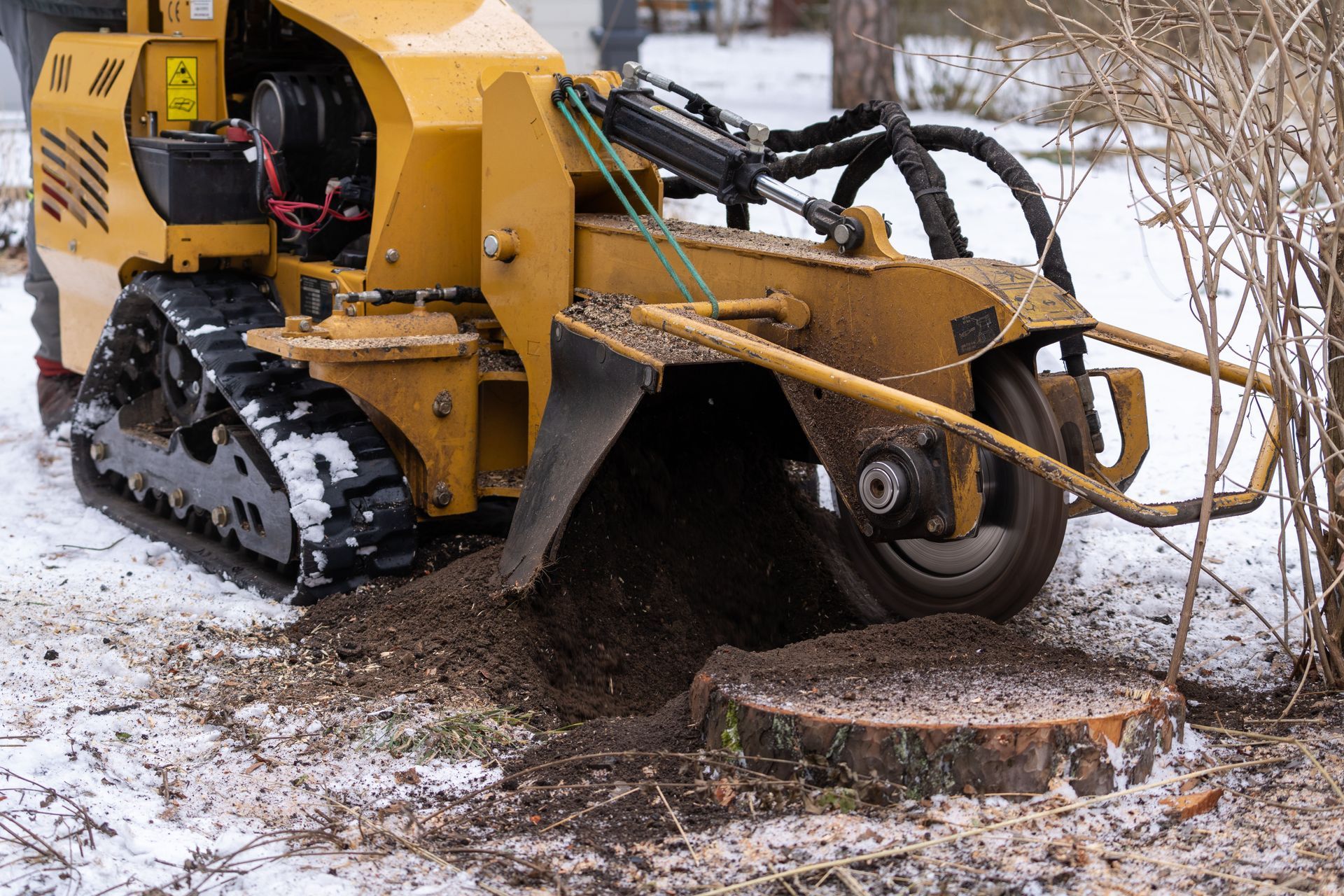
Lot clearing encompasses a variety of services, each affecting the overall budget differently. Basic clearing tasks include tree removal, brush clearing, and grading, which together form the foundation of preparing land for building. Special services like stump grinding, excavation, and soil testing can add to basic expenses depending on the specific site requirements. Each service demands targeted expertise and specialized equipment, both of which influence total expenditures. Differentiating between basic tasks and specialized additions allows for higher quotation accuracy from contractors while ensuring compliance with municipal land management rules.
Estimating project expenses involves several methodologies to ensure overall budget accuracy. The most common approach is providing estimates based on average per-acre costs, incorporating labor, equipment, and required completion time. A detailed site analysis often yields the most reliable estimate by accounting for unique land features, terrain topography, and accessibility. According to HomeGuide, larger properties require more total resources to clear, but clearing 1 acre costs more per acre than clearing 5 acres due to equipment mobilization efficiencies. Selecting an estimation method that fits the specific lot dimensions leads to far more predictable financial outcomes.
Variable costs and fixed costs must both be considered when building a comprehensive site preparation budget. Fixed costs remain consistent regardless of property size, including essential permits, site inspections, and basic machinery transportation fees. Variable costs fluctuate based on project scope, including fuel consumption, total labor hours, and ongoing waste disposal. Understanding this division helps property owners anticipate potential price adjustments when unexpected physical challenges, such as buried rock or dense thickets, appear during operations.
Matching Equipment to Property Scale
Heavy machinery is a fundamental component of lot clearing, responsible for quick and efficient vegetation removal, grading, and stump removal. Matching the scale of machinery to the physical dimensions of the land avoids both operational bottlenecks and unnecessary rental fees. Larger properties benefit from high-capacity bulldozers and industrial tub grinders that process vast areas rapidly, driving down operational time. In contrast, smaller lots surrounded by existing structures require compact excavators and skid steers capable of operating safely within tight physical boundaries.
Selecting inappropriate machinery for a given property size quickly leads to budget inflation and project delays. Deploying oversized equipment on small lots increases the risk of damaging adjacent properties or underground utilities, while using underpowered equipment on expansive acreage extends labor hours and inflates overall fuel expenses. Proper equipment selection ensures that work progresses on schedule without wasting operational capacity. Contractors who carefully assess property dimensions before dispatching fleet vehicles achieve far better operational efficiency.
Modern technological advances continue to improve how equipment is utilized during land preparation. The integration of multi-functional attachments allows a single piece of machinery to handle cutting, mulching, and digging, reducing the total amount of equipment that must be transported to a site. Additionally, site mapping using GPS and aerial survey technology helps operators identify steep slopes, wet areas, and tree density beforehand. These technological efficiencies help lower long-term equipment costs and minimize unexpected equipment downtime.
Navigating Labor Requirements and Worksite Timelines
Labor demands shift dramatically depending on the acreage and density of a given property. Larger tracts usually demand a full crew of equipment operators, ground workers, and safety personnel to keep operations running concurrently across multiple zones. Conversely, smaller properties might rely on smaller, highly specialized teams focused on precision tree removal and delicate maneuverability around existing structures. Assessing the necessary skill levels and crew size relative to the land area ensures that labor resources are allocated without driving up unnecessary overhead.
Property size directly controls project duration, which directly impacts payroll costs. Clearing expansive acreage requires sustained work over multiple days or weeks, requiring continuous workforce management and potential overtime considerations. On smaller sites, work might be completed within a day, though dense foliage or restricted access can still extend the hours required. Establishing realistic timeline expectations based on total physical area helps prevent unexpected payroll surges and keeps project schedules on track.
Safely managing crew productivity involves structuring daily work objectives around property layout and environmental conditions. Complex terrain, heavy underbrush, or hazardous weather require additional safety measures and slower work speeds, which extend overall labor hours. Streamlining daily workflows and deploying workers where they are most effective ensures consistent progress. Proper workforce allocation balances safety with productivity, keeping overall labor costs aligned with original budget projections.
Managing Environmental and Regulatory Factors
Local regulations and municipal zoning ordinances play an essential role in defining the final scope and cost of lot clearing. Larger properties often trigger strict environmental impact reviews, stormwater management requirements, and tree preservation mandates. Municipalities frequently require formal permits before work can begin, especially if the clearing involves protected tree species or land near waterways. Factor in these administrative requirements early to prevent costly delays, fines, or unexpected project pauses.
Environmental features such as steep slopes, wetlands, and rocky soil influence how a site can be safely cleared. Working near wetlands or protected animal habitats may necessitate specialized containment barriers, silt fencing, and less intrusive clearing methods to preserve surrounding ecosystems. These protective measures add material and labor expenses to the project total. Conducting a thorough environmental review prior to clearing ensures full legal compliance while providing an accurate picture of necessary protective measures.
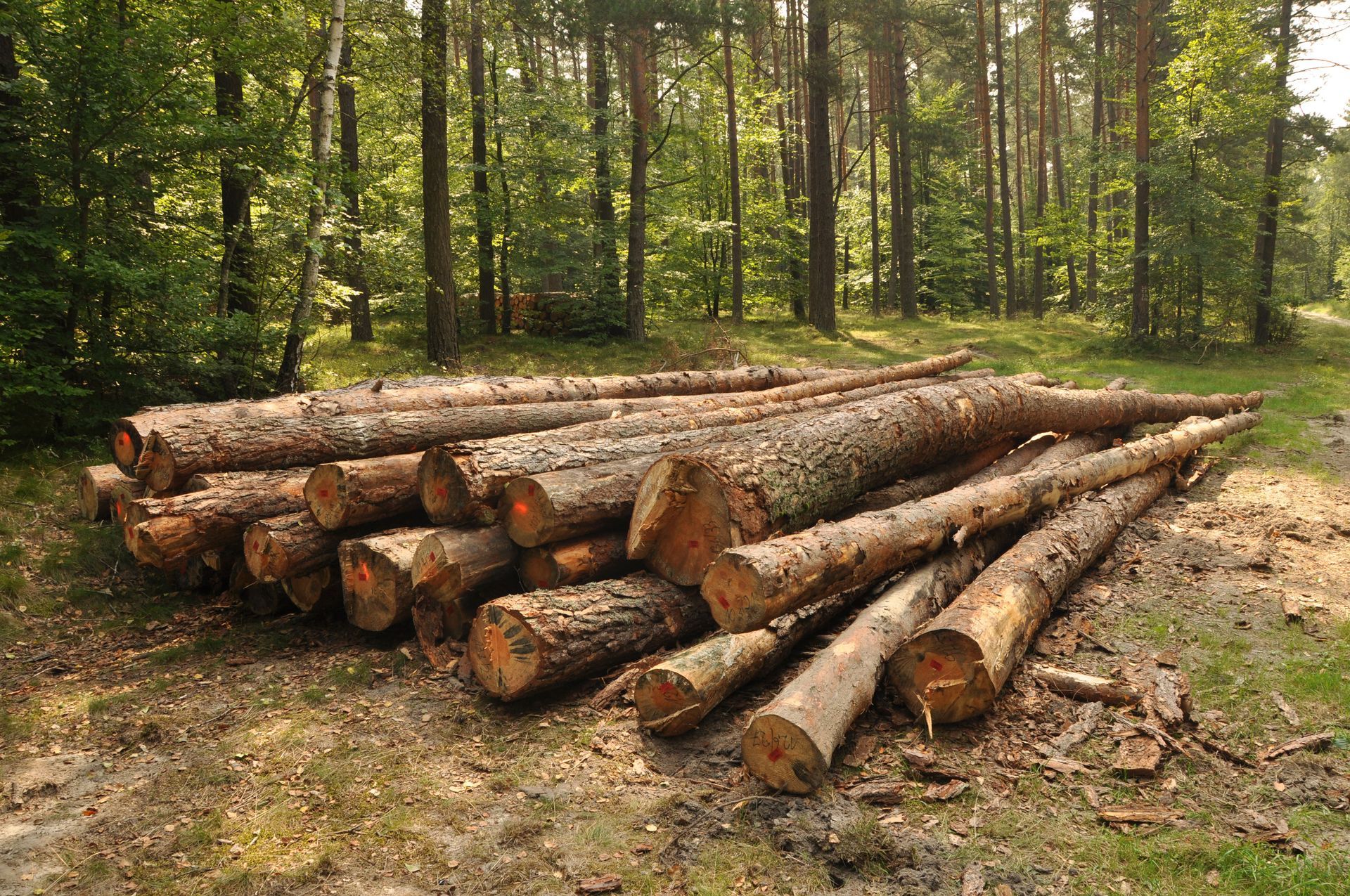
Proper waste disposal and debris management represent significant financial line items in any land preparation project. Clearing large parcels produces significant amounts of organic waste, including fallen trees, branches, brush, and root systems. Options for managing this debris include on-site wood chipping, controlled burning where permitted, or hauling material to regional recycling centers. Choosing the most cost-effective waste management plan based on total debris volume helps control overall project spending.
Evaluating Long-Term Financial Impact and ROI
Investing in thorough lot clearing lays the baseline foundation for all future property development, construction, and landscaping. Properly cleared land facilitates accurate site surveying, efficient utility installation, and safer building foundation excavation. Skipping proper clearing processes to save money initially often leads to higher construction costs later due to buried debris or improper site grading. Viewing site preparation as a foundational investment protects overall property value and supports future development goals.
Maintaining clear communication with experienced land preparation contractors ensures transparent pricing and prevents scope creep. Detailed written agreements that outline exact service parameters, equipment usage, labor rates, and waste disposal methods provide budget clarity. Requesting itemized quotes based on clear site assessments enables property owners to compare options effectively and avoid hidden fees. Proactive planning and clear contractor communication keep projects running smoothly within established financial limits.
Strategic financial planning for land development involves balancing immediate clearing expenses against long-term site utility and market value. Thoroughly cleared and well-graded land commands higher market value and attracts potential buyers or commercial developers far more effectively than unimproved parcels. By understanding how site dimensions influence equipment, labor, and regulatory requirements, property owners can maximize their return on investment. For more information about the services that we offer, reach out to our incredible team at Danny McClain's Tree Care, LLC today!