August 20, 2026
A major tree removal leaves a prominent impact on your landscape, altering your residential property both visually and structurally. Transitioning your yard after a significant stump grinding requires a clear, practical understanding of the multiple steps involved in professional landscape recovery. An initial disruption creates a clean canvas where you can successfully re-imagine your flower beds, grass areas, or custom shrubberies. By following proper care protocols, you can transform a scarred yard into a thriving, lush ecosystem that enhances property value.
Assess Your Yard After Grinding
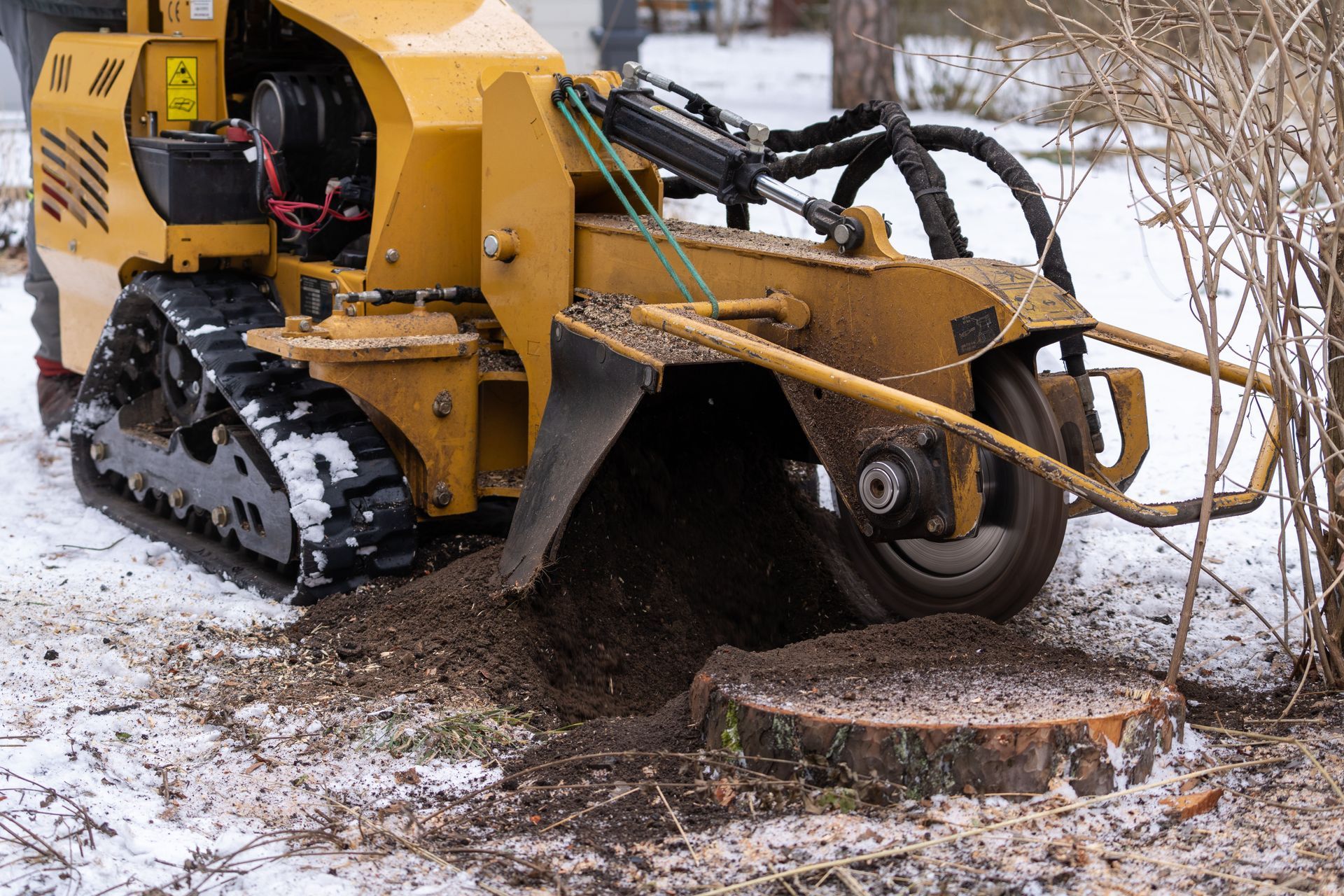
Evaluating your soil condition immediately after the professional tree care team finishes their work is vital for future agricultural success. Heavy machinery often compacts the earth, creating dense barriers that restrict new root development and block proper moisture infiltration. According to This Old House, this specific procedure remains the most efficient removal process for buried timber, usually lasting between 30 minutes and two hours depending strictly on the scale of the stump. Dealing with this resulting soil compaction quickly guarantees that subsequent landscaping efforts will succeed beautifully.
Beyond examining the ground density, you must check for lingering wood fragments embedded throughout the primary planting zone following a major stump grinding. Substantial amounts of underground debris can alter your soil chemistry by temporarily locking up essential nitrogen as the wood decays over time. Removing these subterranean pieces or balancing them with targeted organic treatments prevents nutrient deficiencies that could otherwise stunt your fresh vegetation. A thoroughly cleared subsurface gives your new botanical additions an optimal environment to establish deep, stable root systems without structural competition.
Altered patterns of sunlight and surface drainage also require your immediate attention during this initial landscape assessment period. Removing a mature tree canopy drastically increases direct light exposure, which completely modifies the local microclimate of your lawn. Previously shaded areas might now face intense afternoon heat, requiring a shift toward sun-loving plant species rather than shade-tolerant varieties. New light patterns give you a chance to expand your gardening horizons and introduce species that could never grow in the old shade.
Prepare Your Soil for Planting
Clearing away the heavy layer of wood chips left behind by stump grinding represents your primary physical task. While these chips make excellent mulch for established walkways, leaving them concentrated in a planting hole disrupts proper water absorption. Raking the excess material into a dedicated compost pile allows you to recycle the organic matter safely without harming your immediate garden beds. Establishing an even, unobstructed surface simplifies the subsequent cultivation steps and ensures a uniform, healthy distribution of moisture across the entire zone.
Amending the ground with nutrient-rich compost helps restore the natural biological balance disrupted by the intensive excavation work. Mixing organic material into the topsoil introduces beneficial microbes that accelerate wood decomposition while improving overall earth aeration. Depending on your specific soil test results, incorporating tailored components like peat moss or sharp sand can fix specific texture and drainage issues.
Achieving a level ground surface prevents future erosion issues and ensures consistent irrigation across your entire newly designed landscape. Utilizing a heavy garden rake or a specialized grading tool helps smooth out irregular depressions left by the machinery. Slightly sloping the terrain away from permanent home foundations guides natural stormwater runoff safely toward your designated garden drainage channels. A perfectly graded yard creates a beautiful visual transition while establishing a stable foundation for lawns, paths, or permanent outdoor structures.
Choose Your New Plant Species
After stump grinding, selecting the right vegetation requires a clear understanding of your specific local USDA plant hardiness zone guidelines. Every flower, shrub, and tree species possesses distinct tolerances for seasonal temperature shifts, ambient humidity, and direct sunlight hours. Consulting local nursery professionals or online agricultural maps helps you identify resilient varieties that naturally withstand your regional weather extremes. Picking compatible flora minimizes the need for constant human intervention, allowing your outdoor space to flourish with minimal environmental stress.
Integrating native plant varieties into your post-reclamation design offers outstanding ecological benefits while keeping future maintenance demands very low. Native greenery adapts seamlessly to local soil profiles and seasonal rainfall patterns, completely removing the necessity for synthetic chemical fertilizers. These deep-rooting plants actively secure the topsoil, preventing wind erosion while providing critical food sources for local birds and beneficial insect pollinators. Incorporating these indigenous species weaves your private property back into the surrounding natural regional ecosystem beautifully.
Creating a diverse botanical layout ensures year-round visual interest and protects your garden against widespread pest infestations. Mixing deciduous shrubs, perennial flowers, and evergreen structural elements establishes an attractive balance that changes beautifully with each passing season. You can utilize the newly opened, sunlit spaces to cultivate vibrant perennial beds or even a productive backyard vegetable patch.
Set Up Reliable Irrigation Systems
Installing a dedicated watering setup right after stump grinding ensures that your fresh botanical investments receive consistent hydration. Newly transplanted flora requires steady moisture to overcome root shock and adapt smoothly to the altered soil conditions. Utilizing targeted drip irrigation lines delivers water directly to the root zones, minimizing surface evaporation and preventing wasteful runoff from the site. Integrating automated system timers removes the guesswork from your daily routine, keeping the soil perfectly moist without causing waterlogging issues.
Combining modern irrigation methods with sustainable water collection tools maximizes environmental efficiency while reducing your monthly utility costs. Placing rain barrels beneath your roof downspouts provides a clean, chemical-free source of water perfect for sensitive young seedlings. For broad lawn expansions or large groundcover zones, utilizing oscillating sprinklers guarantees even coverage across expansive stretches of land.
Applying a thick layer of organic mulch around your new plantings further enhances your irrigation system's overall effectiveness. Mulch acts as a protective shield, locking in subsurface moisture while regulating soil temperatures against extreme summer heat waves. This practice slows down weed germination, ensuring your chosen plants do not have to compete for valuable water resources. By combining smart watering systems with protective mulching, you create an incredibly efficient, low-maintenance garden environment that saves time.
Control Potential Insect Activity
Managing wood-boring pests becomes a critical priority because the remnants of stump grinding can inadvertently attract unwanted insects. Subterranean termites, wood ants, and various beetles frequently seek out decaying root fragments left deep beneath the surface. Establishing early preventative measures shields your fresh landscaping investments from these opportunistic subterranean invaders before they cause real damage to your property. Addressing these pest risks early turns a potential lawn problem into an opportunity to build long-term biological resilience across your entire garden.
Monitoring the treated area regularly allows you to spot early indicators of insect infestations before they spread widely. Introducing beneficial nematodes into the soil offers a safe, organic method to eliminate harmful larvae without disrupting earthworms. Encouraging natural predators, such as insectivorous birds and beneficial predatory bugs, keeps the local pest population under control naturally.
Cultivating specific companion plants nearby provides an excellent, natural defense system against common destructive garden insects. Planting aromatic herbs and bright flowers like lavender, marigolds, or rosemary naturally repels harmful pests with their strong scents. These protective botanical additions look beautiful while serving an important functional role in your broader integrated pest management strategy. Maintaining a clean, debris-free yard completes this defensive circle, ensuring your garden remains a haven for healthy growth all season long.
Reclaiming your yard after a major stump grinding is a rewarding process that transforms a landscape disruption into a beautiful gardening triumph. By carefully treating compacted soil, managing leftover wood debris, and selecting the right native plants, you can establish a healthy ecosystem. When you are ready to completely revitalize your outdoor living space, contact us at Danny McClain's Tree Care, LLC today so we can help you build your dream yard.