October 9, 2026
Preparing a property for construction or future use involves more than choosing a building site and planning a layout. Overgrown vegetation, unstable trees, hidden debris, and uneven terrain can create safety concerns and make development more challenging. Professional lot clearing helps property owners address these obstacles while creating a more accessible, functional, and buildable space.
Clearing land also requires careful planning to balance development needs with environmental considerations. According to the Global Forest Resources Assessment, an estimated 10.9 million hectares of land were deforested annually between 2015 and 2025, highlighting the scale of changes in land use worldwide. Responsible land preparation focuses on clearing only what is necessary for a property's intended purpose.
In this article, we explore five ways professional lot clearing improves property safety, simplifies construction, and creates a more practical foundation for future projects.
1. Remove Hazardous Trees and Overgrown Vegetation
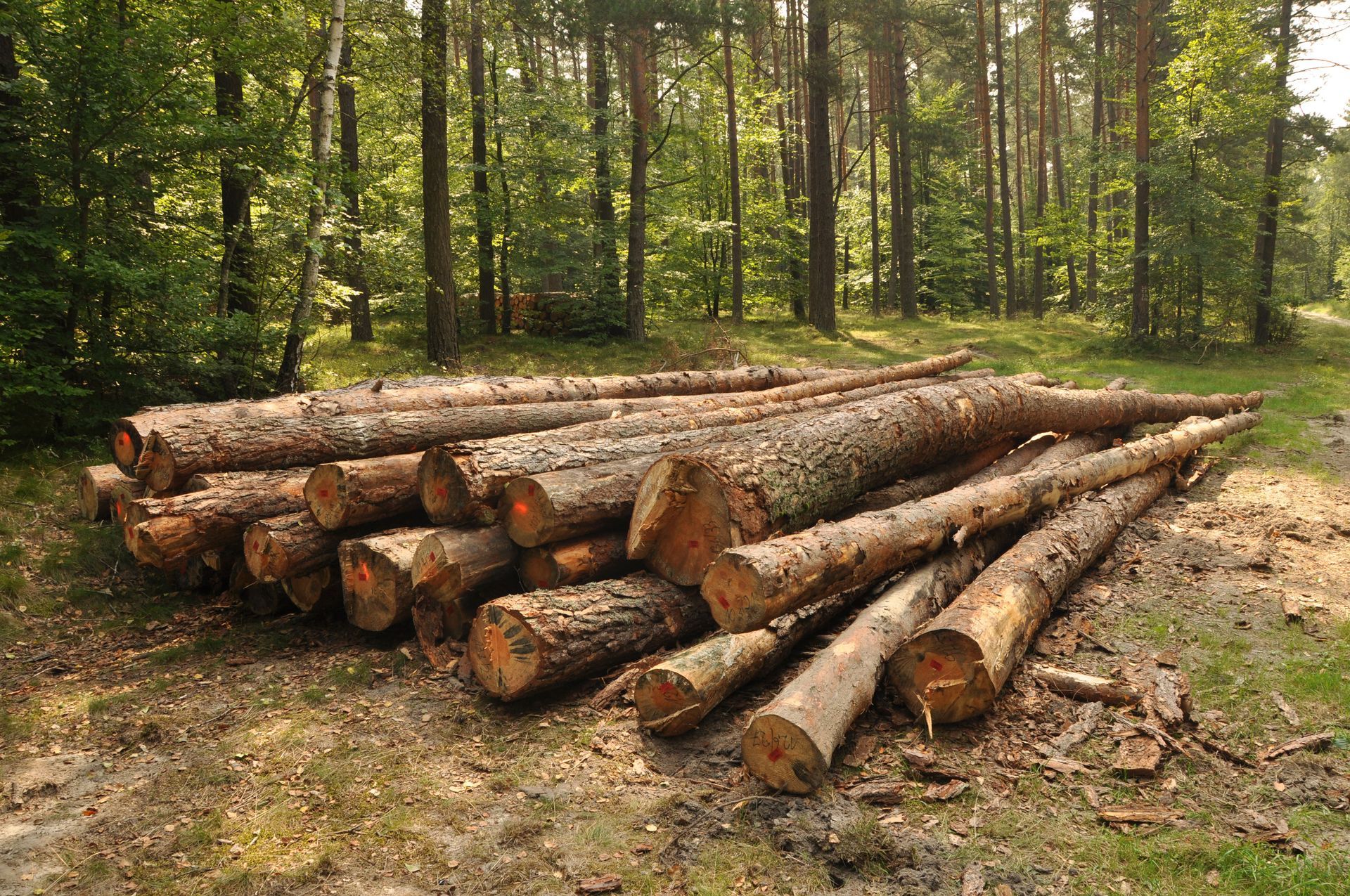
Dense vegetation can conceal potential hazards that threaten property owners, construction crews, and visitors. Dead trees, unstable branches, thick brush, and invasive plants can create dangerous conditions, particularly during storms or when heavy equipment is operating nearby.
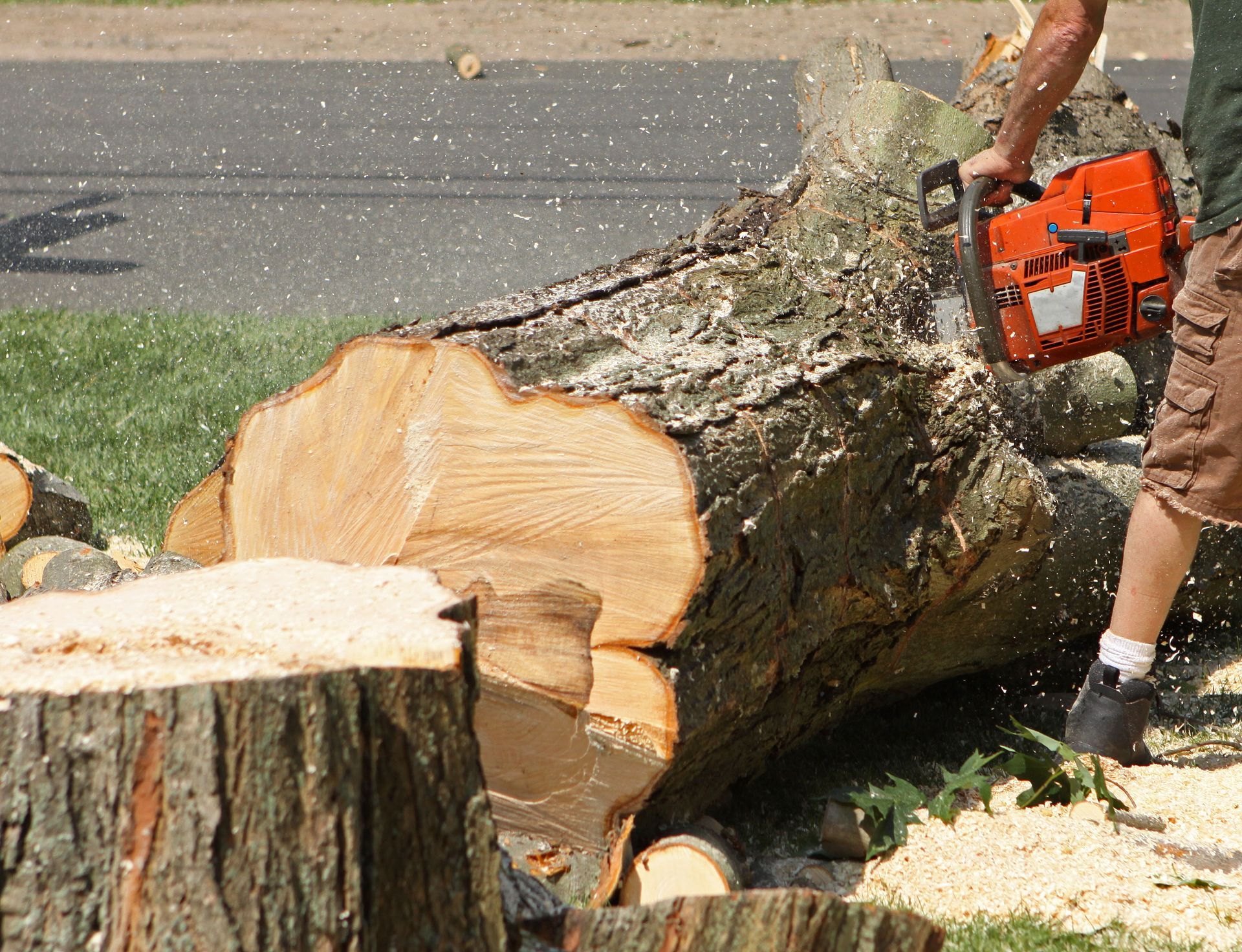
Professional land clearing teams can identify and remove trees that pose a risk to people or planned structures. They also clear dense brush that may obstruct visibility, hide uneven ground, or interfere with access routes. Removing these obstacles helps create a safer environment for construction and future property use.
Overgrown vegetation can also increase the risk of certain pest problems. Thick brush and accumulated organic debris may provide shelter for rodents, insects, and other unwanted wildlife. Clearing unnecessary growth helps reduce these potential hiding places and makes it easier to monitor the property.
By addressing these issues early, property owners can reduce preventable hazards and establish a more controlled environment for upcoming projects.
2. Improve Ground Visibility and Identify Hidden Hazards
An overgrown property can hide conditions that complicate construction and increase the risk of accidents. Beneath tall grass, fallen branches, and thick vegetation, there may be rocks, old fencing, discarded materials, holes, or other obstructions that are difficult to detect.
Professional lot clearing exposes more of the ground, allowing property owners and contractors to evaluate the site more accurately. With improved visibility, crews can identify potential obstacles before excavation, grading, or foundation work begins.
This preparation is particularly important when heavy machinery will be used. Hidden debris and unexpected ground obstructions can damage equipment, interfere with operations, or create unsafe working conditions. Identifying these issues early allows contractors to plan removal and site preparation more effectively.
Better ground visibility also helps with property inspections and future maintenance. Once unnecessary vegetation is removed, owners can more easily recognize drainage concerns, erosion, and changes in the terrain. This makes it simpler to determine which areas need additional attention before construction moves forward.
Clearing also provides an opportunity to assess the property's boundaries and existing features. Contractors can identify fencing, utility markers, and other visible elements that may influence construction plans. This added awareness can help reduce the likelihood of accidental damage and support more accurate site preparation.
3. Create Better Access for Construction Equipment
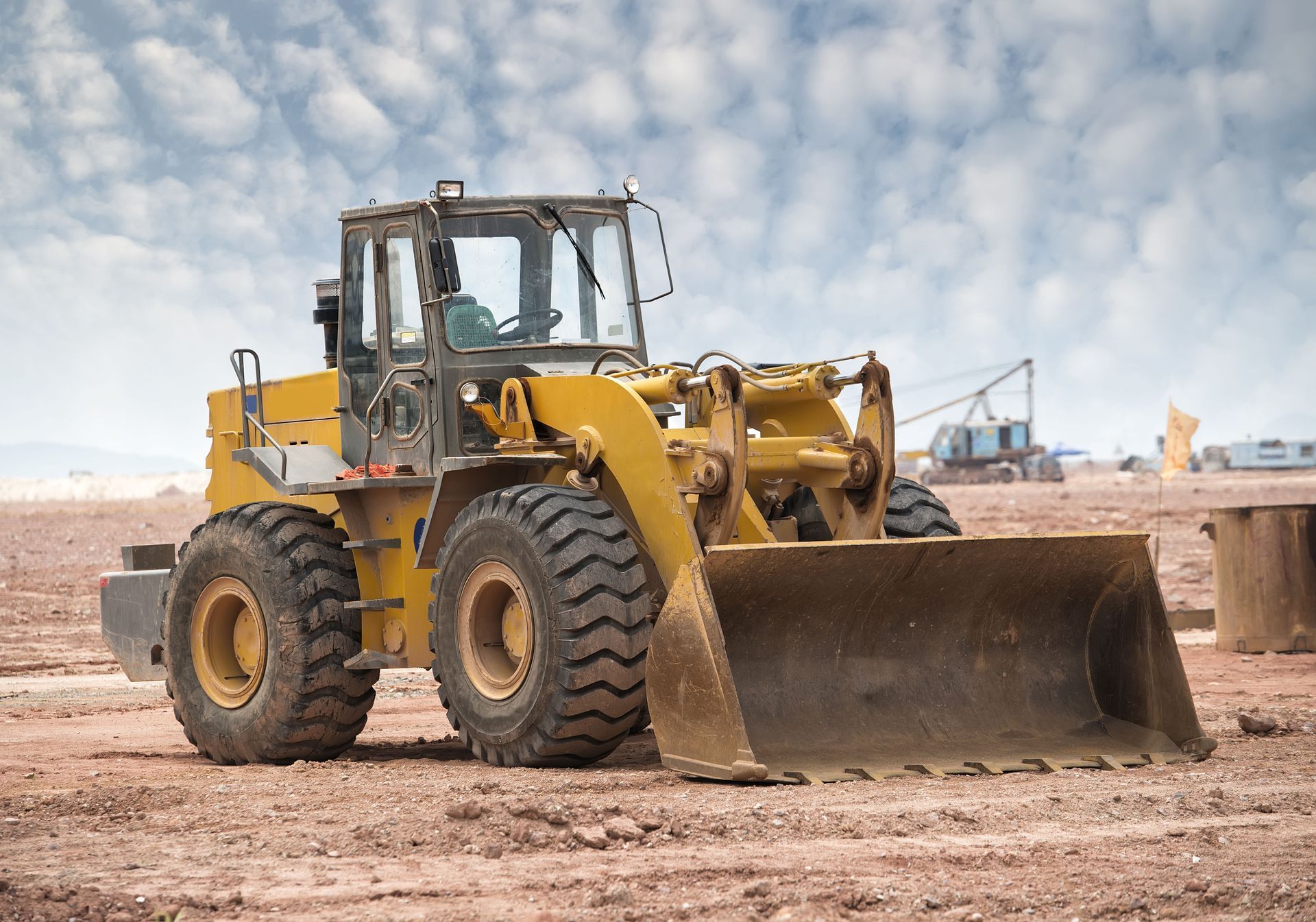
Construction projects depend on reliable access to the areas where work will take place. However, heavily wooded or overgrown properties may lack clear paths for trucks, excavators, loaders, and other essential equipment. Without sufficient access, moving materials and completing site preparation can become more complicated.
Professional lot clearing creates space for temporary construction roads, equipment staging areas, and designated access routes. Clearing selected trees, brush, and other obstructions helps crews move machinery around the property more safely and efficiently.
Improved access can also reduce unnecessary equipment movement. When contractors can reach work areas directly, they may spend less time navigating around obstacles or relocating machinery. This can support better project coordination and help minimize avoidable delays.
Additionally, clear access routes make it easier for emergency vehicles and utility crews to reach different parts of the site when necessary. Whether a property is being prepared for a residential home, commercial building, or agricultural use, accessible terrain is an important part of a functional development plan.
4. Support Proper Drainage and Reduce Erosion Risks
Water management is an important consideration when preparing land for construction. Dense vegetation, accumulated debris, and uneven terrain can make it difficult to evaluate how rainwater moves across a property. Poor drainage may contribute to standing water, soil instability, and problems around future building foundations.
Professional lot clearing helps expose the terrain so contractors can better assess existing drainage patterns. Once the land is more visible, they can identify low-lying areas, natural water channels, and locations where water tends to collect.
This information can guide additional site preparation, including grading, drainage improvements, and erosion control measures. Addressing these concerns before construction begins can help protect the building site and reduce the likelihood of costly water-related problems later.
However, removing too much vegetation can also increase erosion risks. Trees, grasses, and other plants help hold soil in place and slow the movement of water. Responsible clearing practices preserve useful vegetation whenever possible and avoid unnecessary disturbance to the land.
When coordinated with proper grading and drainage planning, lot clearing can create a more manageable building site while supporting long-term soil stability.
5. Establish a Clear Foundation for Future Development
A property must meet several practical requirements before construction can begin. Contractors need adequate working space, a clear understanding of the terrain, and room to establish building layouts, utilities, and other essential features.
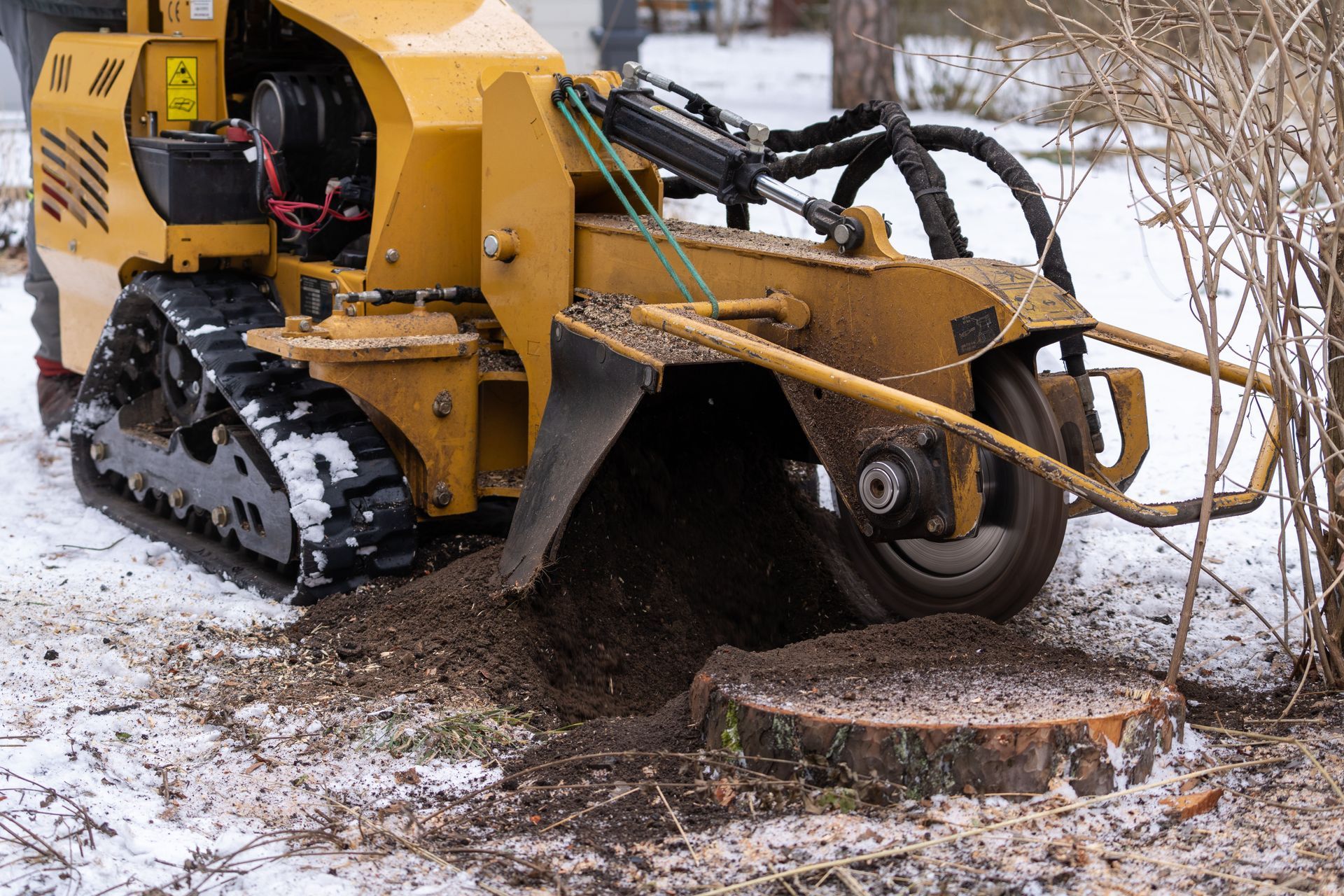
Professional lot clearing removes obstacles that could interfere with these preparations. By eliminating unwanted vegetation, fallen trees, and surface debris, clearing crews help create a more organized environment for surveying, excavation, and foundation installation.
A cleared property also makes it easier to visualize the proposed development. Property owners and contractors can better understand available space, evaluate building placement, and identify areas that may require additional preparation. This can improve communication among project stakeholders and support more informed planning decisions.
In addition, clearing the land can make future property improvements more straightforward. Whether the goal is to install a driveway, build an additional structure, establish landscaping, or expand an existing development, an accessible and well-prepared site offers greater flexibility.
Another advantage is the opportunity to plan utility installations more effectively. Water lines, electrical connections, and other infrastructure may require specific access routes and designated work areas. Clearing the necessary sections of land can help contractors coordinate these installations while minimizing disruptions to the surrounding property.
Professional lot clearing is therefore not simply about removing unwanted growth. It is an important early step in transforming an undeveloped or neglected property into a usable space that supports its intended purpose.
Preparing land for construction requires attention to safety, accessibility, drainage, and long-term functionality. Removing hazardous vegetation, uncovering hidden obstacles, improving equipment access, supporting drainage planning, and creating a workable building site are all important benefits of professional land preparation.
With careful planning and responsible clearing practices, property owners can avoid many common site preparation challenges while making better use of their available land. The key is to approach clearing with the property's future needs and environmental conditions in mind.
If a property is overgrown, difficult to access, or not yet ready for construction, contact Danny McClain's Tree Care, LLC to evaluate the site and develop a plan that supports a safer, more buildable property.