Trees provide immense value to residential and commercial properties by offering shade, enhancing curb appeal, and supporting local ecosystems. However, preserving every tree is not always a viable option, especially when safety and property protection become a primary concern. Understanding when a specimen has transitioned from a beautiful asset to a dangerous liability requires careful observation. Property owners must look for specific warning signs of severe decline, disease, or structural instability. By recognizing these crucial indicators early, you can make informed decisions about whether to contact a professional tree removal service to address the hazard.
Assessing the Root System
The root system serves as the structural foundation and the primary source of vital nutrients. When roots sustain severe damage, the entire organism loses its physical anchor and its ability to thrive. Warning signs of compromised roots are often visible at the base near the soil line. Look for soil heaving, which indicates the roots are uprooting, or the sudden appearance of fungi and mushrooms around the base, which strongly suggests internal root rot. A weakened foundation means the tree is highly susceptible to toppling over during strong winds or heavy storms.
Inspecting the Main Trunk
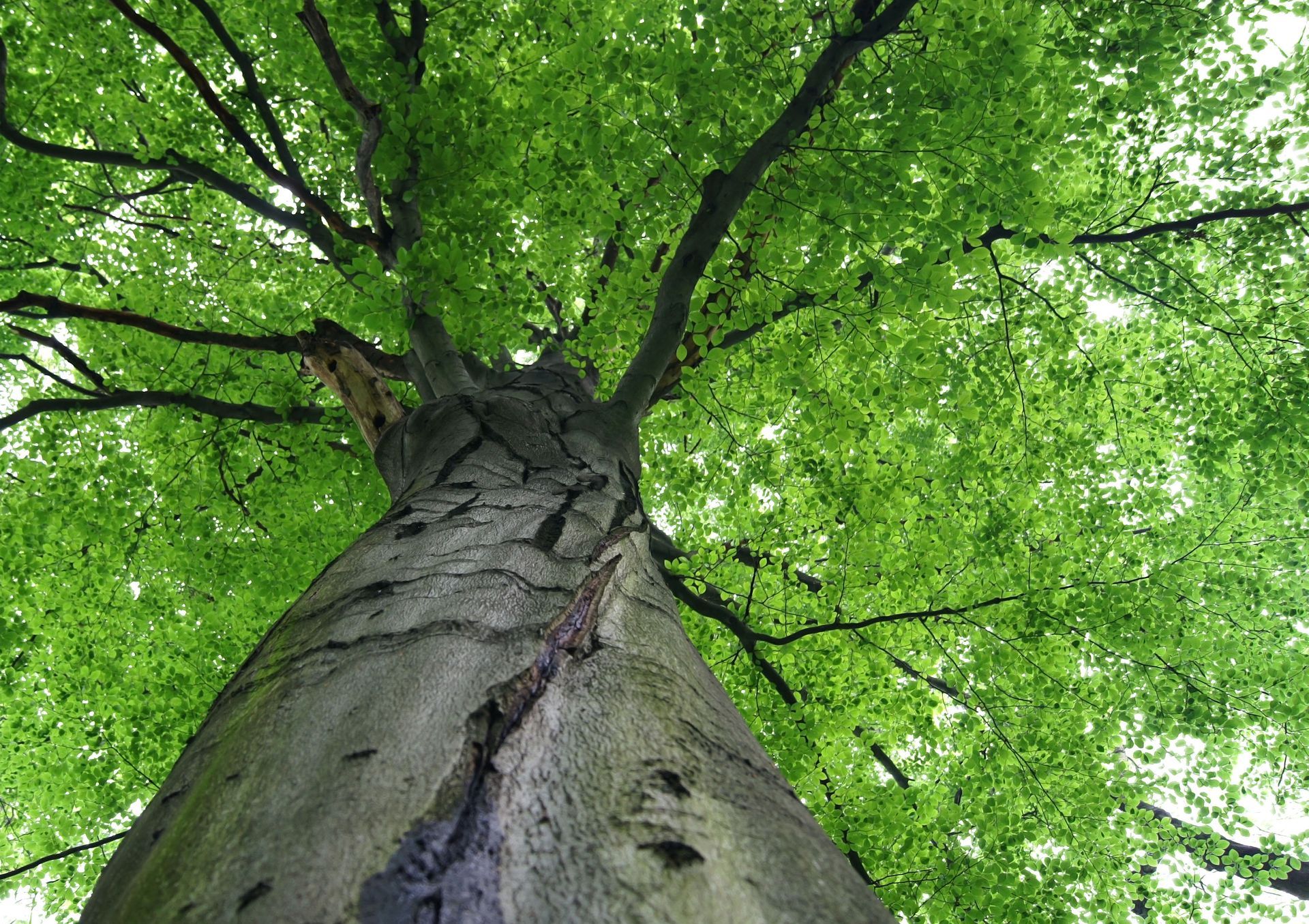
The trunk acts as the main support pillar, so any significant structural defects here are immediate causes for concern. Deep cracks, large missing sections of bark, and visible cavities all point to severe internal decay that compromises structural integrity. When evaluating a hollow trunk, the size of the cavity is a major determining factor for safety. According to Forbes, if hollowness exceeds 30%, you may have to cut down the tree. Severe trunk damage rarely heals on its own and typically worsens over time, increasing the risk of a catastrophic failure.
Evaluating the Upper Canopy
The upper canopy provides a clear visual indicator of overall health and vitality. A healthy specimen should produce a full, vibrant crown of leaves during the appropriate growing seasons. If you notice large sections of bare branches, sparse foliage, or leaves that drop unseasonably early, the organism is likely under immense stress. Furthermore, a high volume of dead or falling branches poses a direct threat to anything situated directly underneath. While some minor dieback is normal, a canopy that is mostly dead indicates that the tree is failing to circulate nutrients properly.
Protecting your property and ensuring the safety of your family or guests should always be the top priority when managing your landscape. While it is difficult to part with a mature tree, ignoring the severe warning signs of structural failure can lead to devastating property damage or personal injury. If you notice any of these alarming indicators, it is crucial to seek expert assistance immediately rather than waiting for a storm to force the issue. For a professional evaluation and a reliable
tree removal service, call Danny McClain's Tree Care, LLC today to learn more about safely managing your landscape.