October 20, 2026
Trees enhance a property's appearance, provide shade, support wildlife, and contribute to a healthier environment. However, neglected trees can become serious hazards, damaging roofs, foundations, driveways, and underground utilities. Proactive maintenance helps property owners protect their investments while preserving the benefits of healthy trees. A professional tree service can identify potential hazards before they lead to expensive repairs.
Professional evaluations, strategic pruning, and timely disease management can prevent many problems before they become expensive emergencies. Understanding common tree-related risks helps property owners make informed decisions about maintaining a safe and attractive landscape.
Understanding the Risks of Neglected Trees
Managing Overgrown Branches
Branches that grow too close to buildings, windows, and power lines can cause significant damage during storms or periods of strong wind. Even without severe weather, repeated contact with roofing and siding can wear down materials and lead to costly repairs. Regular inspections help identify branches that need attention before they threaten nearby structures.
Professional pruning removes problematic growth while preserving the tree's natural shape and structural strength. Arborists consider the tree's species, age, and condition when determining which branches to remove. A reliable tree service also improves airflow and sunlight penetration through appropriate trimming, benefiting nearby plants and landscaping.
Protecting Foundations and Underground Utilities
Tree roots can interfere with sidewalks, driveways, foundations, and underground utility lines as they expand. Roots generally grow toward available moisture and nutrients, and their development can gradually disrupt surrounding infrastructure. Poor planting decisions and limited space can increase the likelihood of these problems.
Professional assessments help property owners understand root growth patterns and identify potential conflicts. Depending on the situation, an arborist may recommend root barriers, carefully planned planting locations, or other appropriate measures. Preserving healthy roots is important because they anchor trees, absorb water, and help stabilize soil.
Identifying Dead and Diseased Trees
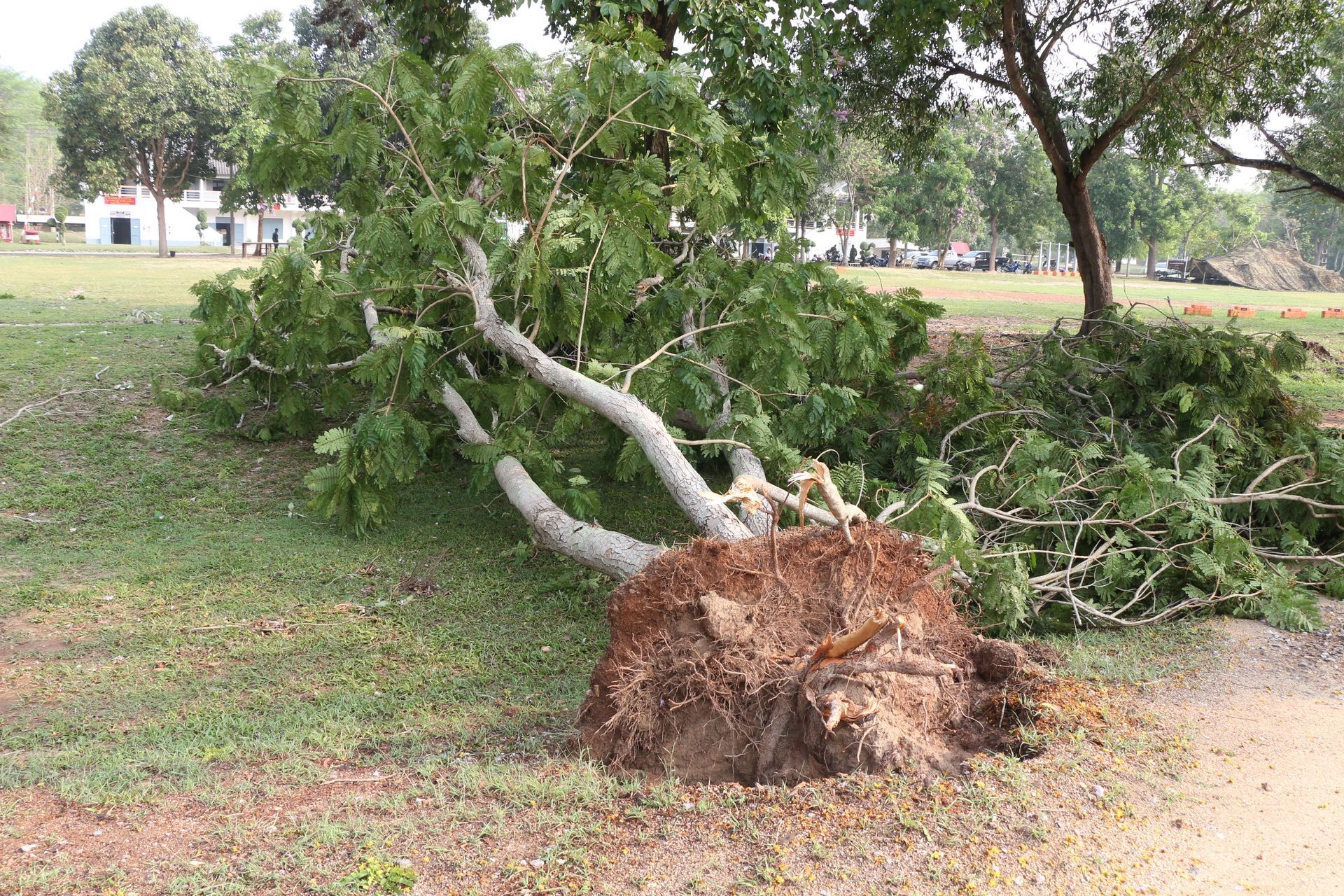
Dead, decaying, or diseased trees may have weakened trunks and branches that can break unexpectedly. Some conditions also spread to nearby trees, threatening the health of an entire landscape. Warning signs include extensive deadwood, unusual leaf discoloration, fungal growth, damaged bark, and visible cavities.
According to 8 Billion Trees, the United States has 228 billion trees. Maintaining their health is an important consideration for communities and individual property owners alike. A professional tree service can help identify developing problems and determine whether treatment, pruning, or removal is appropriate.
Using Professional Assessments to Prevent Damage
Recognizing Structural Weaknesses
Regular inspections help reveal structural problems that may not be obvious from the ground. Arborists examine branch attachments, trunk condition, root stability, and signs of decay. They also consider nearby buildings, pedestrian areas, and other features that could be affected if a tree fails.
Identifying weaknesses early gives property owners more options for managing potential hazards. A targeted pruning plan may resolve certain problems, while serious structural defects may require more extensive action. Professional recommendations help prioritize safety without removing healthy trees unnecessarily.
Monitoring Tree Health Over Time
Tree conditions change with age, weather, soil quality, and exposure to pests. Periodic monitoring helps identify these changes before they lead to substantial damage. Arborists can assess foliage, inspect bark, evaluate soil conditions, and look for signs of root stress or disease.
Ongoing observations also help professionals determine whether previous treatments have worked. A tree that appeared healthy during an earlier inspection may develop new weaknesses after a drought or severe storm. Consistent monitoring allows care plans to adapt as conditions change, supporting long-term tree health and property protection.
Developing a Customized Care Plan
Every property has different maintenance needs. Tree species, soil conditions, available space, weather exposure, and nearby structures all influence the best approach to care. A customized plan accounts for these factors rather than applying the same maintenance schedule to every tree.
Depending on the property's needs, a tree service plan may include scheduled inspections, pruning, disease management, and recommendations for addressing hazardous growth. It can also establish priorities for trees near homes, parking areas, walkways, and utility lines. Planning ahead makes maintenance more manageable and helps property owners avoid preventable expenses.
Maintaining Useful Inspection Records
Keeping records of inspections, treatments, pruning, and removals provides a clearer picture of a property's maintenance history. Photographs and written assessments can help professionals track developing concerns and determine whether additional work is necessary.
These records may also support communication with insurance providers following a property damage claim, although they do not guarantee coverage. Documented maintenance demonstrates which steps were taken to address known hazards. Organized records also help future service providers understand previous work and maintain continuity in care.
Improving Tree Safety Through Regular Maintenance
Strengthening Tree Structure Through Pruning
Proper pruning from a tree service encourages balanced growth and removes branches that are dead, damaged, crossing, or poorly attached. Reducing certain structural weaknesses can help trees withstand environmental stress and minimize the risk of falling limbs. However, excessive pruning can weaken a tree, expose it to disease, and interfere with natural development.
Professional arborists understand how different species respond to pruning. They make selective cuts that support healthy growth while preserving the tree's overall structure. This expertise is especially valuable for mature trees near buildings, where improper cutting can create additional hazards.
Preventing Damage to Nearby Structures
As trees mature, their branches and roots can extend into areas where they create conflicts with buildings, paved surfaces, and utility infrastructure. Routine maintenance helps identify these issues before they cause significant damage. Strategic pruning can maintain appropriate clearance around roofs, windows, walkways, and other vulnerable areas.
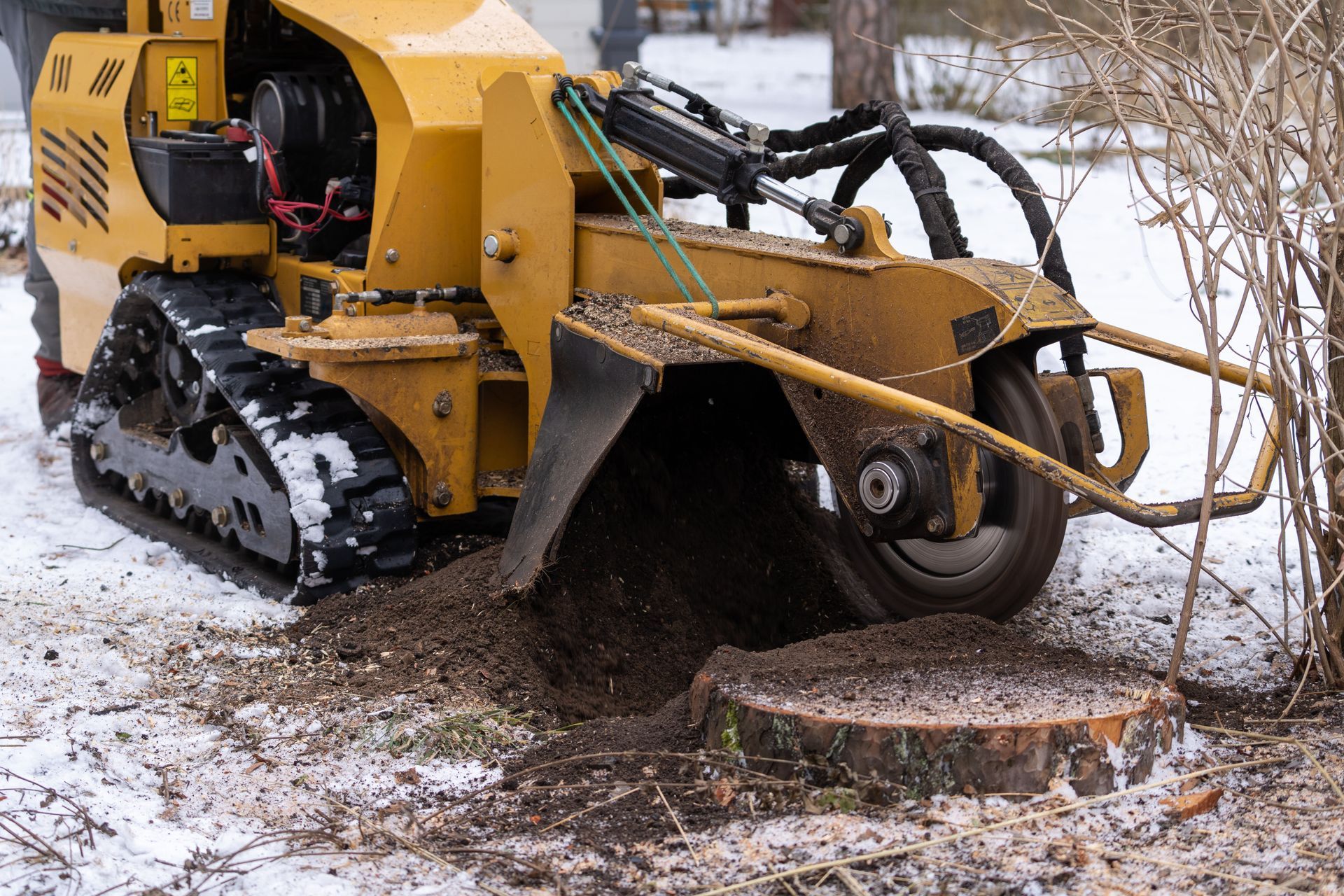
Root-related concerns require careful evaluation because aggressive cutting can destabilize a tree. Professionals consider the location and extent of the roots before recommending any intervention. When planting new trees, selecting suitable species and allowing adequate growing space can also reduce future conflicts.
Maintaining Curb Appeal and Property Value
Healthy, well-maintained trees contribute to an attractive landscape and can improve a property's overall appearance. Balanced canopies, healthy foliage, and appropriate spacing create a more inviting outdoor environment. Conversely, dead branches, visible decay, and poorly maintained growth can make a property look neglected.
Professional maintenance helps preserve the appearance of existing trees while supporting the surrounding landscape. Pruning can improve visibility, maintain useful outdoor spaces, and complement the property's design. Although tree care cannot guarantee a higher selling price, a healthy landscape can make a positive impression on visitors and prospective buyers.
Scheduling Pruning at the Appropriate Time
The best pruning schedule depends on the tree species, its condition, the purpose of the work, and local growing conditions. Some pruning is best performed during dormancy, while damaged or hazardous branches may require immediate attention regardless of the season.
Timing can also influence disease risks and recovery. Professionals consider seasonal pest activity, weather conditions, and the tree's growth cycle when planning maintenance. This approach supports healthier recovery and helps prevent avoidable stress caused by poorly timed or excessive cutting.
Prioritizing Safety During Tree Work
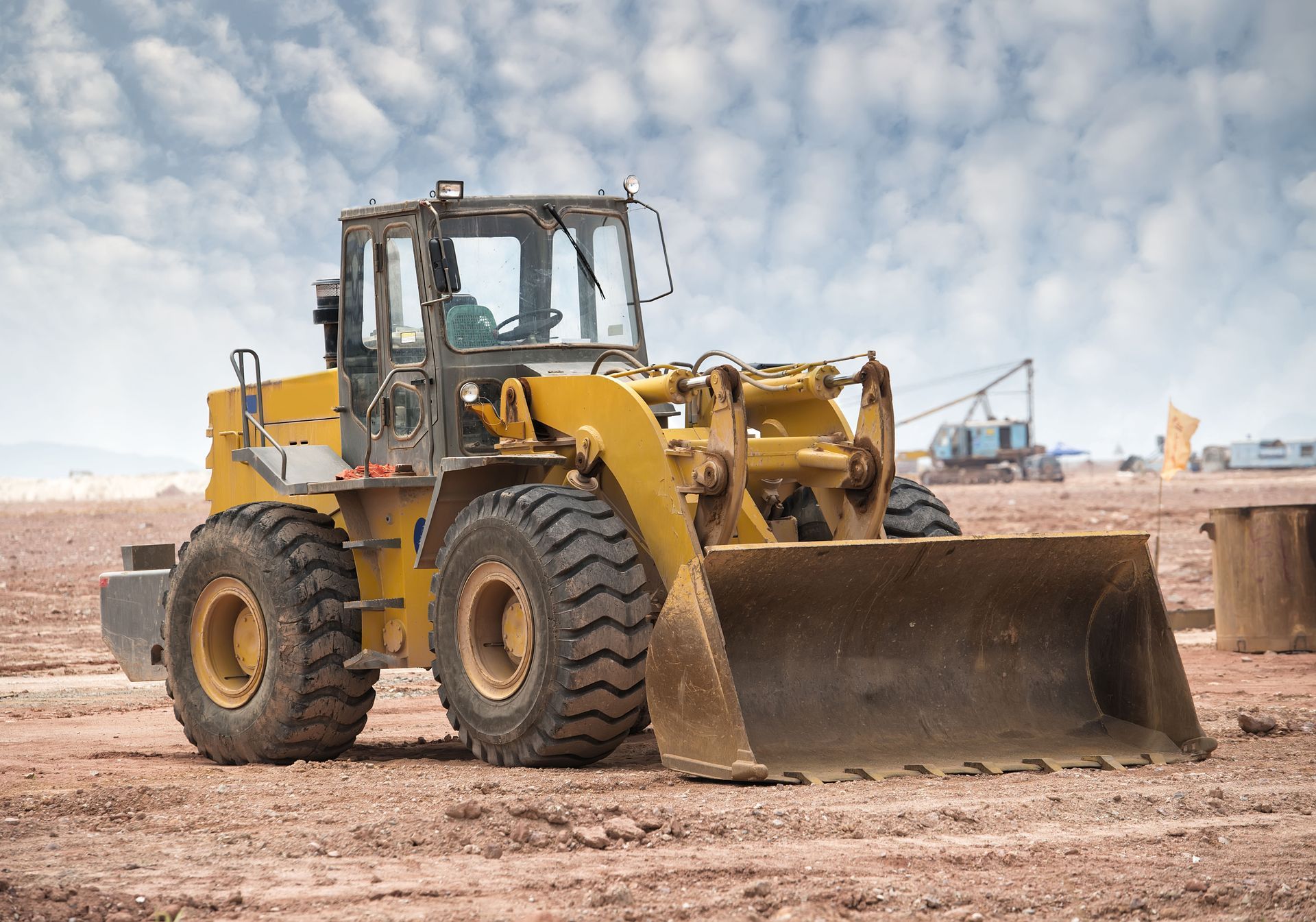
Tree maintenance can involve falling limbs, heavy equipment, unstable climbing surfaces, and nearby electrical lines. These hazards make pruning and removal dangerous without proper training and safety procedures. Attempting to cut large branches or remove unstable trees without appropriate equipment can put people and property at risk.
Qualified professionals use suitable protective equipment, specialized tools, and established work practices to manage these challenges. They evaluate the work area, identify potential hazards, and determine the safest way to complete each task. Hiring an experienced tree service is particularly important when branches hang over structures or trees are close to power lines.
Protect Your Property With Proactive Tree Care
Preventing tree-related property damage starts with recognizing hazards and addressing them before they become emergencies. Regular inspections, appropriate pruning, disease management, and thoughtful planting decisions can protect buildings, preserve healthy trees, and reduce unexpected repair costs.
Property owners do not have to wait for a fallen branch or damaged foundation to take action. Partnering with experienced professionals makes it easier to identify risks and develop a practical maintenance strategy. For help protecting trees and surrounding property, contact Danny McClain's Tree Care, LLC to discuss professional tree care options and schedule an assessment tailored to your property's needs.