November 10, 2026
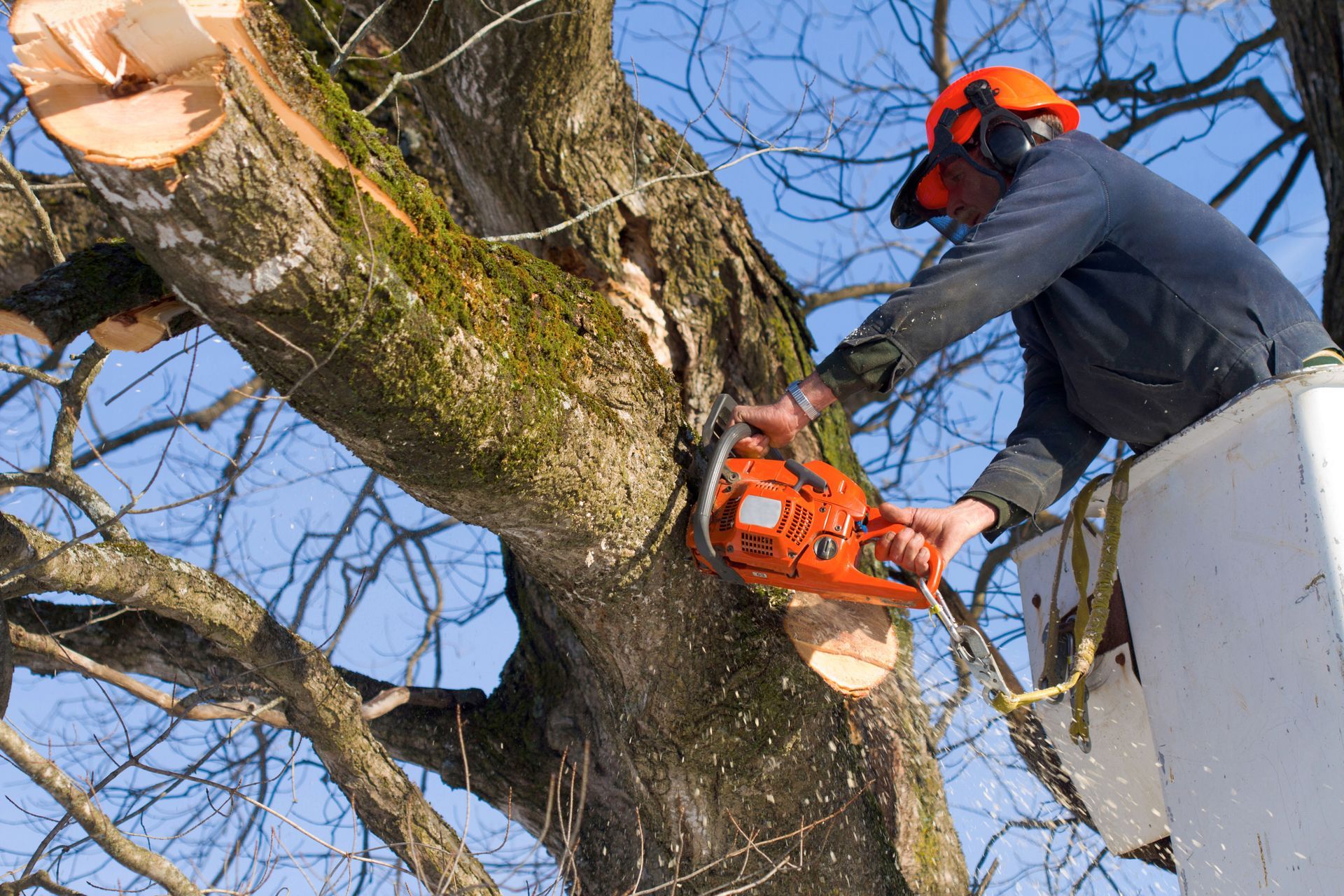
Removing a large tree requires more than a chainsaw and a clear area to work. When trees stand near homes, fences, driveways, or other obstacles, professional arborists must carefully control how each section is cut and lowered. Specialized rigging equipment helps crews manage heavy branches and trunk sections while reducing the risk of property damage. Understanding the tools a tree removal company uses can help property owners appreciate the planning, training, and precision involved in difficult removals.
Assess the Tree and Plan the Removal
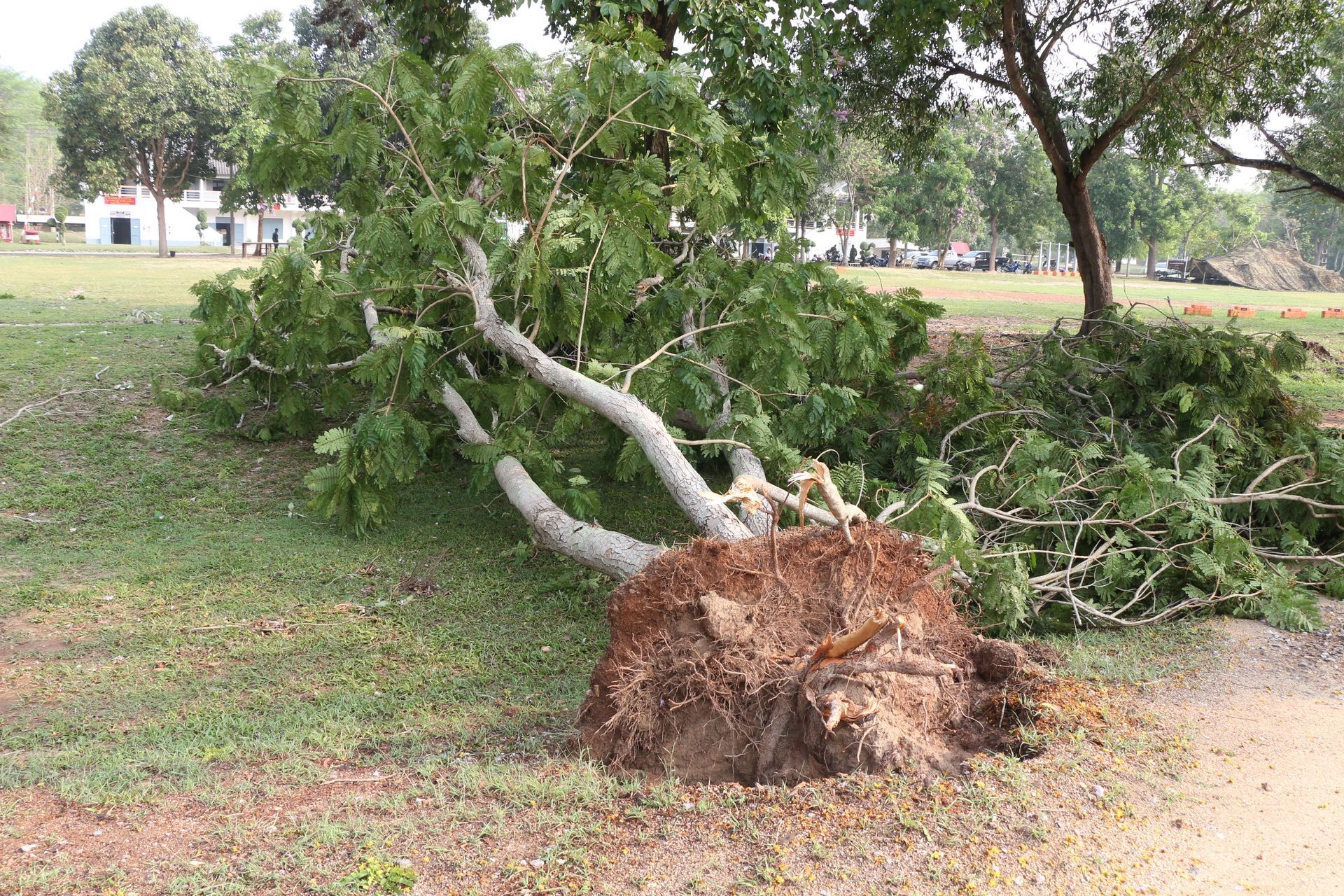
Before choosing rigging equipment, professionals evaluate the tree, its surroundings, and the safest removal strategy. They consider the tree's height, trunk diameter, branch structure, condition, and proximity to buildings or utility lines. Dead, decaying, or storm-damaged trees can present additional challenges because their wood may be unpredictable under pressure.
The crew also identifies suitable anchor points, potential landing zones, and obstacles that could interfere with lowering sections. Each cut must be planned so the team can manage the weight and movement of the material being removed.
A qualified tree removal company selects equipment based on site conditions rather than relying on a single standard setup for every job. Careful planning helps determine whether ropes, pulleys, friction devices, or mechanical lifting equipment will be needed.
According to Forbes, fall and winter can be favorable times to remove certain trees because deciduous trees have shed their leaves. Reduced foliage can make branches easier to assess and may simplify some removal work. However, hazardous trees may require immediate attention regardless of the season, and the safest timing depends on the tree and site conditions.
Use Rigging Ropes to Control Heavy Sections
Rigging ropes are essential tools for controlling the movement of branches and trunk sections during complex tree removals. Unlike equipment intended only for climbing or personal fall protection, rigging ropes are selected and used to manage loads generated by lowering cut material.
Professionals choose ropes based on their construction, strength, diameter, condition, and compatibility with the rest of the rigging system. They also account for the forces that can develop when a heavy section moves or stops suddenly.
The rope is attached to a suitable point on the section being removed and routed through the planned system. Once the cut is made, the crew can control the section's descent rather than allowing it to fall freely. This is particularly useful when a branch must be lowered into a confined space rather than dropped onto open ground.
Rope condition matters throughout the job. Abrasion, cuts, contamination, and other damage can compromise performance, so equipment must be inspected and maintained according to manufacturer guidance. An experienced tree removal company also ensures that crew members understand the system's limitations and communicate clearly during each lowering operation.
Direct Loads With Pulleys and Blocks
Pulleys and rigging blocks change the direction of a rope and help guide heavy sections along a controlled path. These components are typically attached to a suitable anchor point, such as an appropriate limb or another engineered rigging point selected by trained professionals.
By routing a rope through a block, crews can position the lowering line where it is most useful. This allows them to guide branches away from roofs, landscaping, fences, and other vulnerable areas.
Different blocks are designed for different loads, rope sizes, and working conditions. Professionals must verify that each component is compatible with the rope and the planned rigging configuration. They also consider the forces applied to the anchor, since the loads on a rigging point can be significantly greater than the weight of the section being lowered.
Pulleys do not automatically make a job safe. Incorrect placement, unsuitable equipment, or a weak anchor can create dangerous conditions. Proper selection and setup are essential to ensure the system works as intended.
Manage Lowering Speed With Friction Devices
Friction devices help crews regulate the speed at which heavy branches and trunk sections descend. As a rope passes around or through the device, friction helps control movement and manage the load during lowering.
Depending on the job, professionals may use specialized lowering devices or other compatible equipment designed for rigging operations. These tools allow trained ground workers to manage rope movement while the climber or cutting operator coordinates the release of each section.
Controlling descent is especially important when removing material above structures or in areas with little room for error. A section that drops too quickly can swing, strike an obstacle, or create sudden forces throughout the rigging system.
A professional tree removal company evaluates the weight and shape of each section before choosing an appropriate lowering method. Crew members must also communicate consistently so the person controlling the rope knows when a section is ready to be released and lowered.
Secure Anchor Points With Slings and Connectors
Slings and connectors help attach rigging equipment to appropriate anchor points. Slings may wrap around a suitable limb or another approved anchoring location, while compatible connectors join components within the system.
These parts may appear small compared with the tree itself, but they play an important role in safely transferring forces. Their ratings, condition, and compatibility must match the demands of the planned operation.
Professionals inspect slings for cuts, abrasion, fraying, and other signs of wear. They also check connectors for damage and confirm that components are properly secured before loading the system. An unsuitable anchor or improperly connected component can compromise the entire setup.
Anchor selection requires particular care. A branch that appears strong from the ground may be weakened by decay, cracks, or internal damage. Arborists assess the tree's structure and account for the forces expected during lowering rather than assuming that any large limb can support a load.
Apply Rigging Techniques to Confined Spaces
The purpose of advanced rigging is not simply to lower heavy wood. It is to manage the direction, movement, and landing of each section within the limitations of the property.
When a tree stands close to a house, for example, a crew may remove smaller branches first to create working space. Larger sections can then be lowered individually into designated landing areas. Depending on the tree and site, professionals may use different anchor positions and rope configurations as the work progresses.
Effective rigging can help protect:
- Roofs, siding, windows, and other building features.
- Fences, decks, sheds, and nearby structures.
- Garden beds, lawns, and established landscaping.
- Driveways, walkways, and other paved surfaces.
The crew must continually reassess conditions as the tree changes shape. Removing one branch can affect the balance and loading of the remaining structure, so the next cut should follow the revised plan.
A skilled tree removal company combines equipment knowledge with an understanding of tree structure, load management, and site conditions. These decisions help the crew adapt to changing circumstances without treating every cut as an identical task.
Maintain Safety Through Inspection and Communication
Even high-quality equipment cannot eliminate the risks associated with tree removal. Safe operations depend on proper training, equipment inspection, suitable work practices, and clear communication among everyone involved. A professional tree removal company prioritizes these precautions to help protect workers, property owners, and surrounding structures.
Before work begins, the crew should establish an exclusion zone to keep property owners, visitors, and bystanders away from falling material and moving equipment. Workers should use appropriate personal protective equipment and follow established procedures for climbing, cutting, and rigging.
The team should also inspect ropes, blocks, slings, connectors, and lowering devices before use. Equipment that is damaged, incompatible, or unsuitable for the expected load should not be used. Workers must understand their roles and use agreed-upon signals or communication methods to coordinate each step.
Choose Professional Tree Removal for Difficult Jobs
Advanced rigging allows arborists to remove trees in challenging locations by controlling how branches and trunk sections move to the ground. Ropes, pulleys, friction devices, slings, and connectors each serve a specific purpose, but their effectiveness depends on correct selection, careful setup, and experienced operation. An experienced tree removal company understands how to use these tools to manage heavy sections and reduce the risk of damage to nearby structures and landscaping.
If a tree is close to your home, damaged by a storm, or too hazardous to remove safely without specialized equipment, professional help is an important consideration. Contact Danny McClain's Tree Care, LLC to request an estimate and discuss safe, professional tree removal for your property.