November 4, 2026
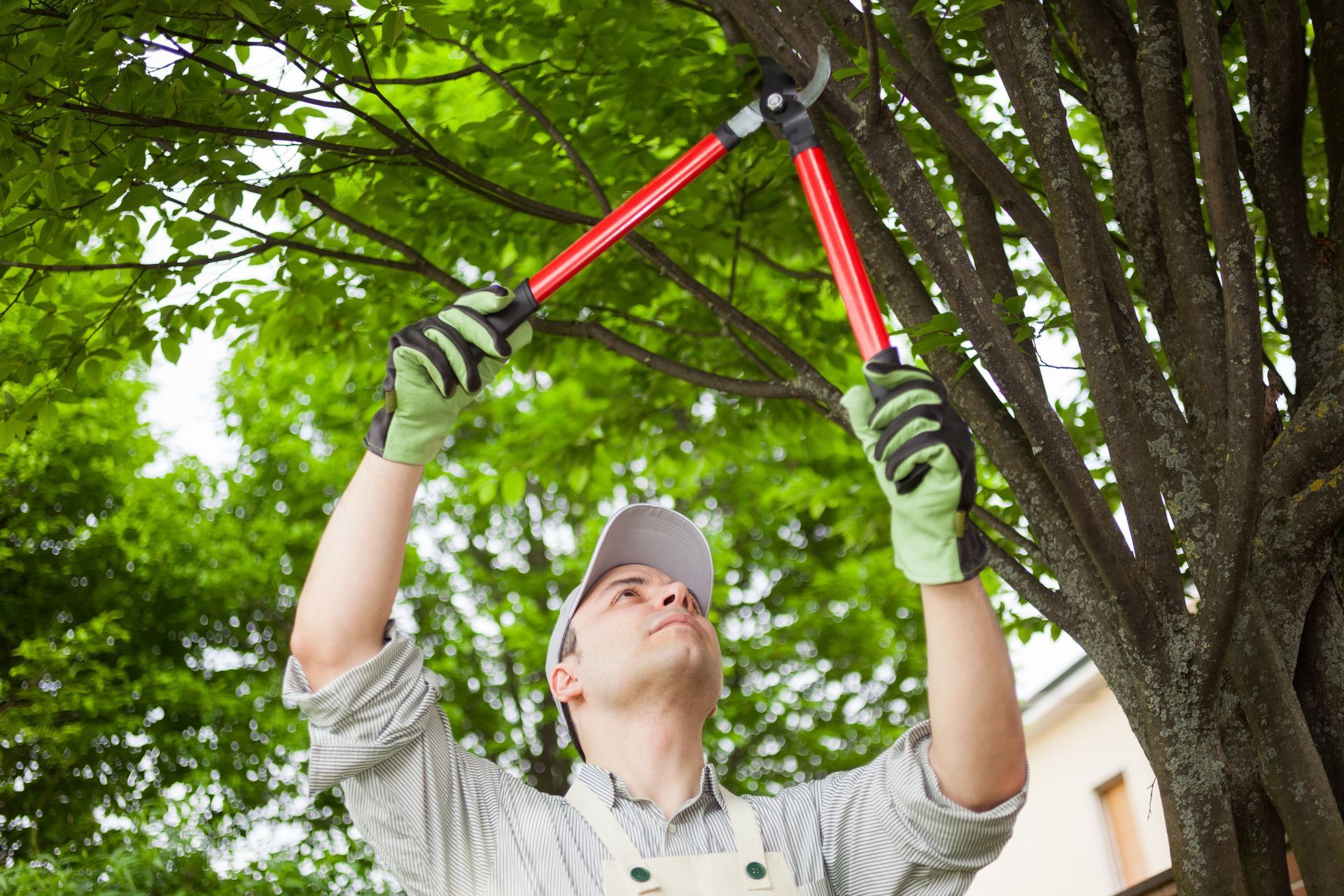
Tree trimming is often viewed as a way to improve landscaping, but its benefits extend beyond appearance. Proper pruning supports healthy growth, reduces safety hazards, and protects surrounding ecosystems. It can also help preserve property value by preventing avoidable damage. Understanding these advantages helps property owners make informed decisions about tree maintenance.
According to Lawn Love, standard tree maintenance requires trimming or pruning roughly every three to five years. However, the ideal schedule depends on tree species, age, condition, and environment. Regular inspections help identify problems before they become expensive or dangerous. With professional local tree trimming, property owners can maintain safer, healthier outdoor spaces.
Supporting Tree Health and Growth
Encouraging Stronger Branch Development
Overcrowded branches compete for sunlight, water, and nutrients. Removing selected limbs allows a tree to direct more resources toward healthy growth while improving airflow. Strategic pruning can also eliminate branches that cross, rub against one another, or grow in undesirable directions, encouraging a more balanced structure.
Professional local tree trimming removes unnecessary growth without sacrificing too much of the canopy. Excessive cutting can weaken a tree and interfere with energy production. A thoughtful approach preserves healthy branches while addressing structural concerns. Over time, this care can help trees maintain their natural shape and better withstand ordinary environmental stress.
Limiting Disease and Pest Problems
Dead, damaged, or diseased branches can create opportunities for insects and pathogens to spread. Removing affected limbs may limit further damage and protect nearby vegetation. Proper pruning techniques also reduce unnecessary injuries to healthy wood.
Routine inspections make it easier to recognize discoloration, dying branches, and insect activity. An experienced tree care professional can assess these warning signs and determine whether pruning or another treatment is appropriate. Local tree trimming can serve as part of a preventive maintenance plan rather than simply addressing overgrowth.
Improving Sunlight and Airflow
Dense canopies can prevent sunlight from reaching interior branches and plants beneath a tree. Selective thinning allows more light to penetrate while improving air circulation. These changes support healthy foliage and create better growing conditions for suitable plants.
Improved airflow may also help foliage dry more efficiently after rainfall, reducing conditions that favor certain fungal problems. Pruning decisions should account for each tree's species, condition, and natural growth pattern.
Improving Safety Around the Property
Removing Hazardous Branches
Weak, cracked, or dead branches can fall unexpectedly, particularly during strong winds or heavy rain. These limbs may threaten people, pets, vehicles, roofs, and outdoor structures. Regular inspections help identify hazards before they cause injuries or property damage.
Professional local tree trimming addresses dangerous branches while preserving the tree's structure. Specialists can evaluate limb attachments, identify signs of decay, and determine which sections require removal. Cutting large branches without proper equipment or training can create additional risks.
Reducing Storm-Related Damage
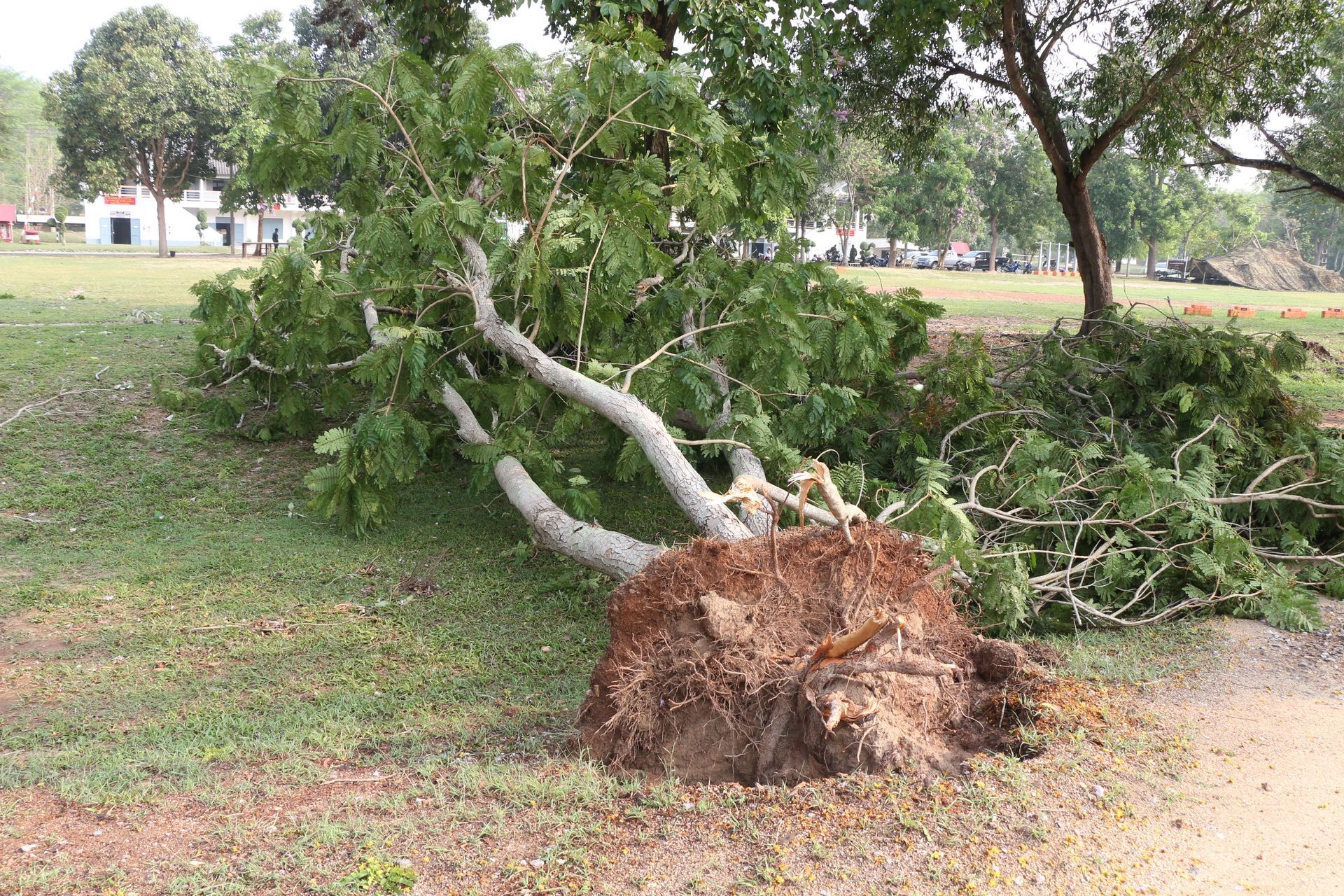
Severe weather places considerable stress on trees, especially those with weak branch attachments or extensive deadwood. Removing compromised limbs before storm season may reduce falling debris and help protect nearby structures. Selective pruning can improve branch spacing, although it cannot guarantee that a tree will withstand every storm.
Property owners should arrange inspections when trees show signs of damage, leaning, or splitting. After severe weather, broken limbs and hanging branches require prompt attention because they may fall without warning. Maintaining trees throughout the year can also make it easier to identify developing problems before storm season arrives.
Protecting Utilities and Walkways
Branches near power lines, sidewalks, driveways, and roadways can interfere with everyday activities. Overgrowth may obstruct pedestrian access, damage vehicles, or reduce visibility. Maintaining clear pathways improves safety and accessibility.
Branches near electrical lines require particular caution. Property owners should contact the appropriate utility provider rather than attempt to cut them off independently. Professional local tree trimming can also manage growth around buildings and other obstacles when the work can be performed safely.
Preserving the Surrounding Ecosystem
Maintaining Wildlife Habitat
Trees provide nesting locations, shelter, and food for birds, insects, and other wildlife. However, poorly timed or excessive pruning can disturb nesting animals and remove valuable habitat. Responsible maintenance balances tree health with the needs of surrounding wildlife.
Before scheduling substantial pruning, property owners should consider seasonal wildlife activity. Preserving healthy limbs helps maintain habitat while allowing necessary maintenance. Selective cuts can address hazards without unnecessarily removing features wildlife depends on.
Supporting Nearby Plants
Overgrown branches may cast heavy shade over lawns, gardens, and plants that need more sunlight. Selective pruning can improve light distribution and create better growing conditions for compatible vegetation.
Local tree trimming should account for the relationship between mature trees and nearby plants. Removing too many branches can expose sensitive vegetation to intense sunlight or disrupt the landscape's balance. Careful assessment helps determine an appropriate amount of pruning.
Protecting Property Value and Appearance
Maintaining an Attractive Landscape
Healthy, well-maintained trees make outdoor spaces more inviting and contribute to a property's appearance. Removing deadwood and controlling unwanted growth can create a cleaner landscape, particularly when branches obscure windows, crowd entrances, or interfere with outdoor living areas.
Effective pruning should complement a tree's natural shape rather than force it into an unnatural form. Removing excessive growth can leave trees unbalanced and affect their health. Professional guidance helps property owners improve appearance without sacrificing long-term growth.
Preventing Expensive Repairs
Branches extending over roofs, gutters, fences, and sheds can contribute to maintenance problems when they break or drop debris. Heavy limbs may damage shingles, vehicles, and outdoor structures, while accumulated leaves can obstruct drainage systems. Addressing problematic growth early may help reduce these expenses.
Routine inspections also reveal structural weaknesses before they become more serious. Although trimming cannot eliminate every risk, it remains a practical part of property maintenance. Local tree trimming helps property owners address developing concerns before they require extensive repairs or emergency removal.
Planning an Effective Tree Maintenance Schedule
Recognizing When Trees Need Attention
A regular maintenance schedule helps property owners monitor tree health and identify changes. Although Lawn Love recommends trimming or pruning roughly every three to five years for standard tree maintenance, some trees need attention sooner. Rapid growth, storm damage, disease, and proximity to buildings can affect the appropriate timing.
Warning signs include dead branches, visible cracks, unusual leaning, and thinning foliage. These symptoms warrant closer evaluation. A qualified professional can determine whether routine pruning is sufficient or if more immediate intervention is necessary.
Choosing the Right Pruning Approach
Different tree species respond differently to pruning. Some benefit from selective canopy thinning, while others require specific damaged limbs to be removed. Cutting in the wrong locations or removing excessive growth can create wounds and weaken a tree.
Property owners should consider pruning schedules and potential effects on flowering, fruit production, and wildlife. Professional assessment helps ensure maintenance reflects the tree's needs and the property's safety requirements. Using appropriate techniques also helps preserve healthy growth while addressing immediate concerns.
Maintaining Healthier Trees for the Long Term
Tree trimming offers benefits beyond curb appeal. It supports healthy growth, helps manage disease, reduces hazards, preserves wildlife habitat, and protects nearby structures. By recognizing warning signs and following an appropriate maintenance schedule, property owners can make informed decisions about their trees.
For reliable guidance and professional tree care, contact Danny McClain's Tree Care, LLC. An experienced team can evaluate your trees, identify potential concerns, and recommend a suitable maintenance plan. Schedule an assessment to help keep your landscape healthy, attractive, and safer throughout the year.