November 19, 2026
Preparing a property for construction, landscaping, or another improvement often begins with clearing the land. Overgrown vegetation, fallen branches, unwanted trees, and thick brush can make a lot difficult to access or use. Clearing the property helps create a more open area where future work can take place. However, the process involves more than simply removing everything growing on the land. The amount of vegetation, terrain, property size, and intended use all influence how the work is completed. Understanding each stage can help property owners prepare for the project and establish realistic expectations. Whether the goal is to improve accessibility or prepare for a larger project, proper planning makes a difference. Knowing what happens during local lot clearing can also help you communicate your needs and make informed decisions.
Assessing the Property Before Clearing Begins
Every successful clearing project starts with an evaluation of the property. Before equipment arrives, the area needs to be examined to identify existing conditions and potential obstacles. The size of the lot, density of vegetation, and accessibility of different sections can affect the overall approach. During local lot clearing, identifying unwanted trees, brush, and other growth helps establish which areas need attention. Property owners should communicate their goals so the work can be planned around the intended use of the land. For example, preparing a lot for construction may require a different approach than opening space for landscaping. The assessment can also identify uneven ground, drainage concerns, and areas that may require additional care. Having a clear understanding of the property before work begins helps prevent confusion and supports a more organized process.
Establishing the Project Scope and Timeline
Once the property has been assessed, the next step is determining the scope of the work. A clearing project may involve removing selected trees, cutting back brush, clearing fallen limbs, or addressing several types of vegetation. The amount of work required depends on the property's current condition and the owner's priorities. According to HomeGuide, clearing a small lot with limited vegetation may take approximately one to three days, while large properties with dense forest growth can require several weeks. This difference demonstrates why local lot clearing projects do not follow one universal schedule. Weather conditions, equipment access, disposal requirements, and the amount of vegetation can also influence the timeline. Discussing these details beforehand helps property owners understand what to expect as the project progresses. A defined scope also makes it easier to identify which tasks are included and whether additional work may be necessary.
Removing Unwanted Trees and Vegetation
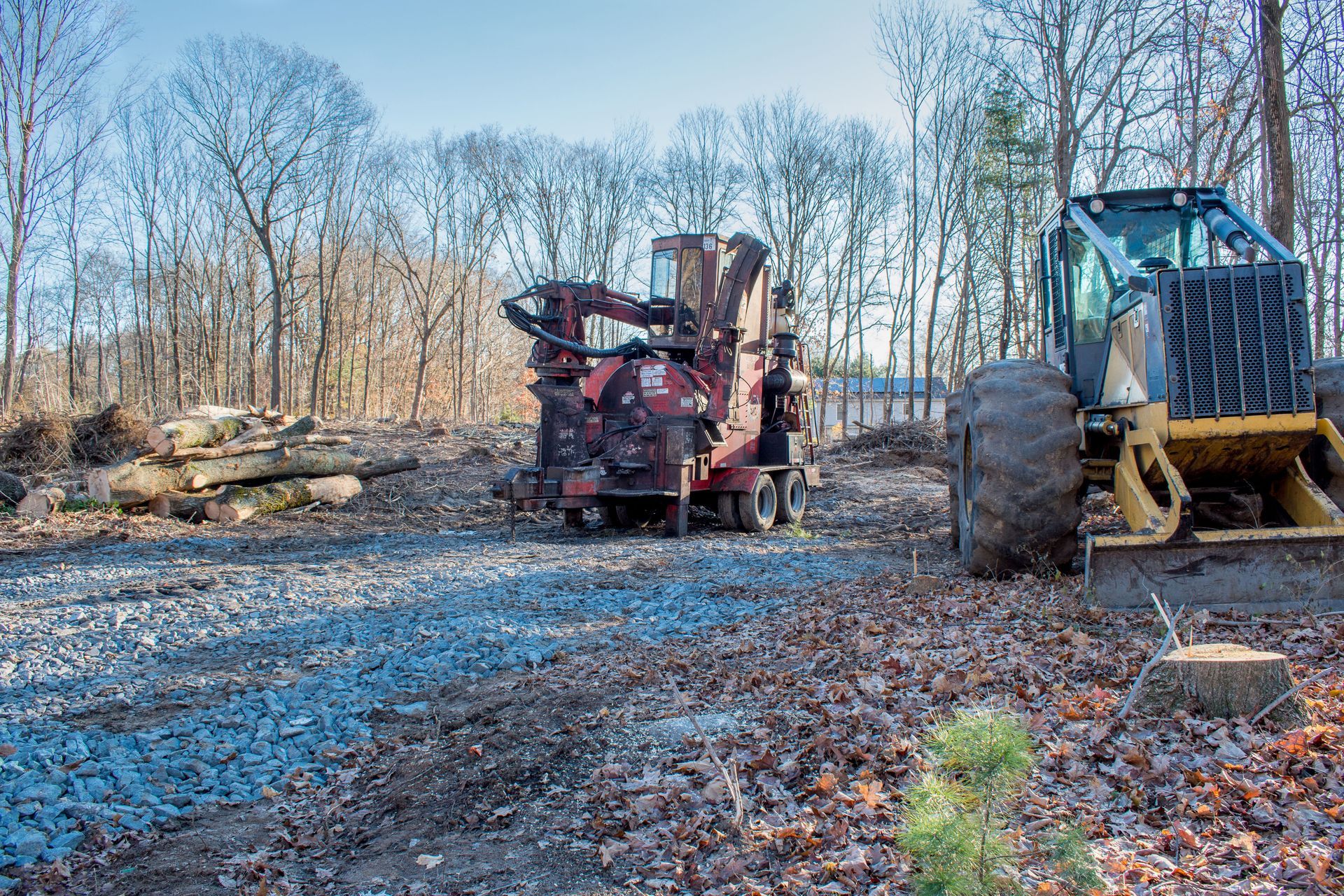
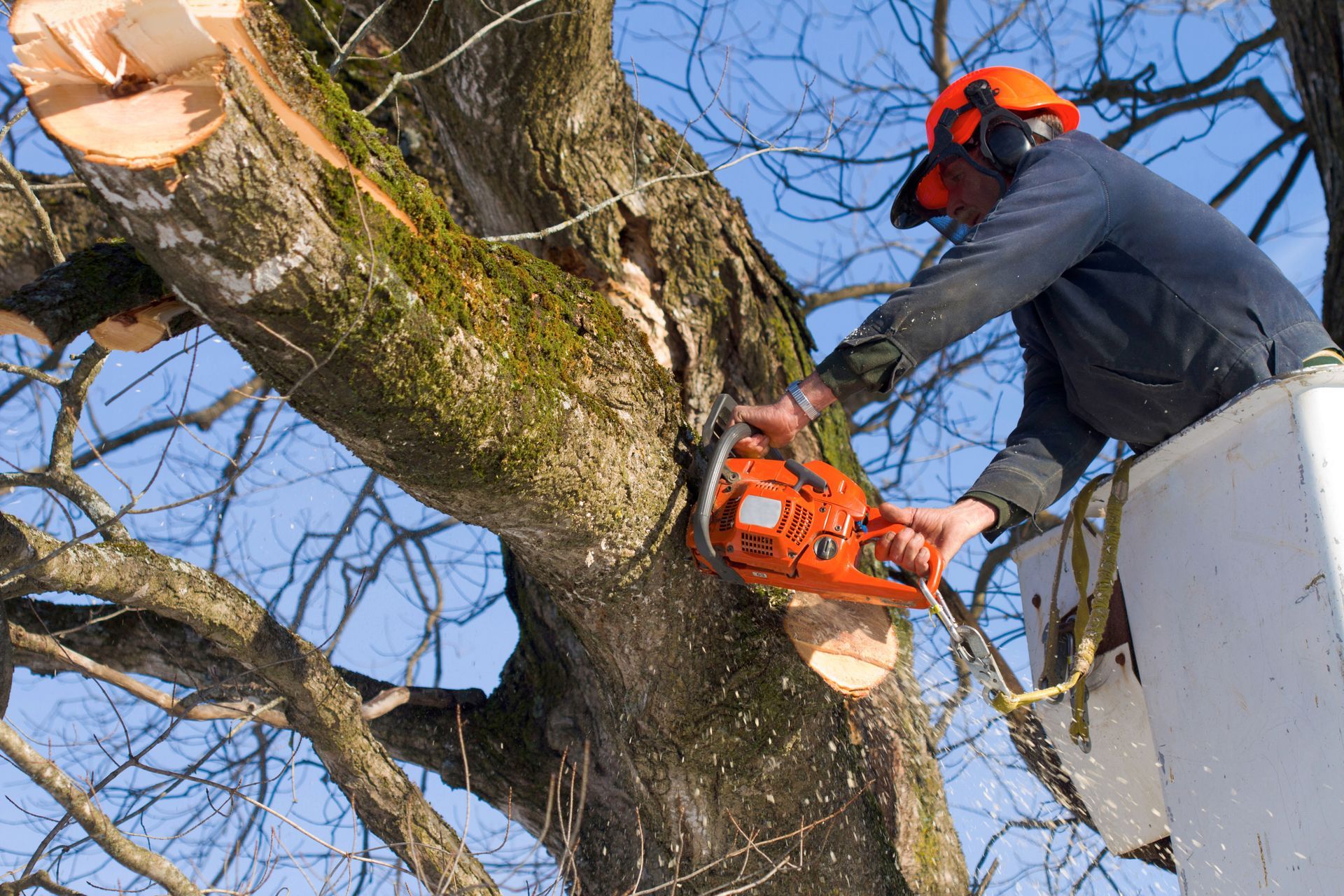
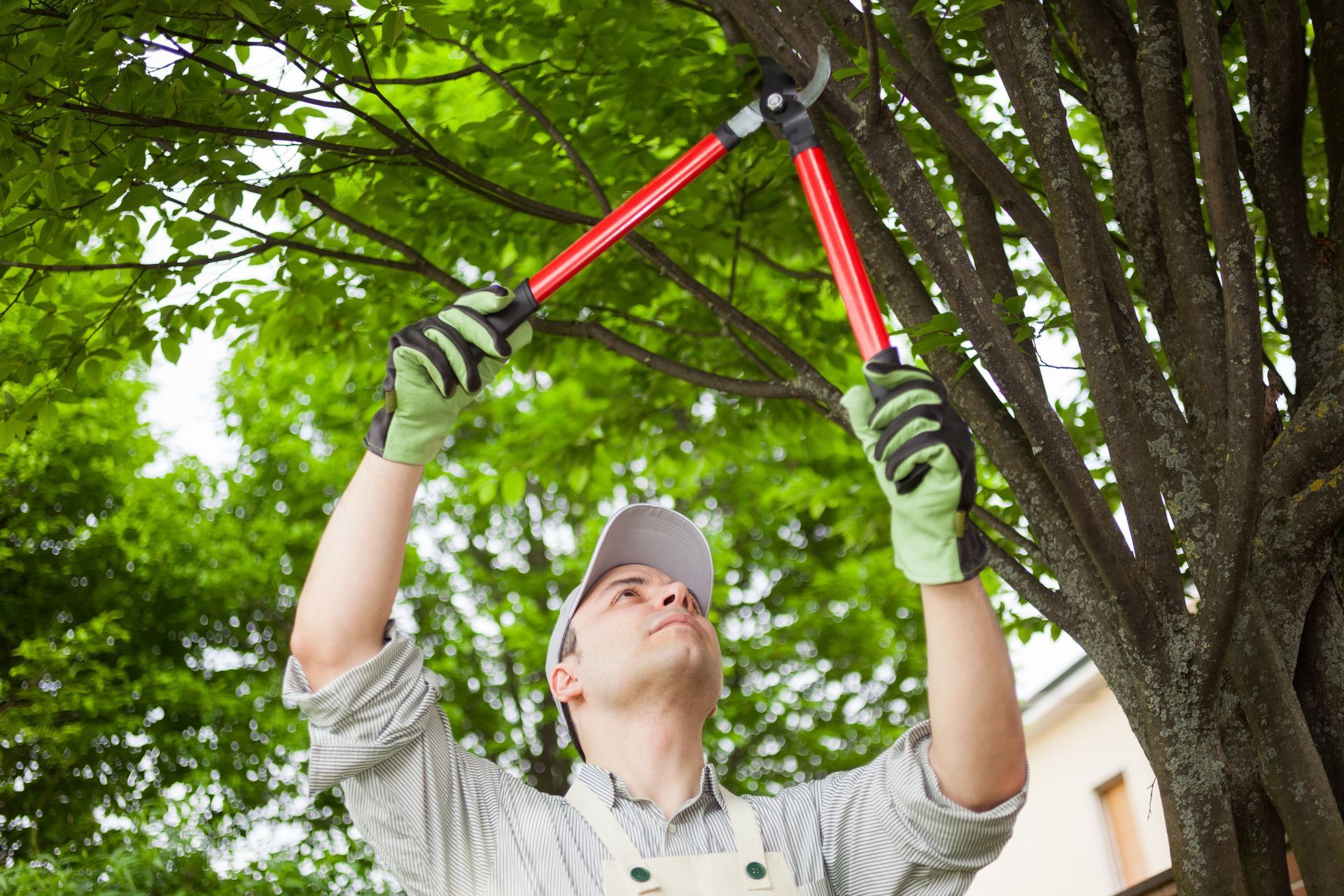
Vegetation removal is often one of the most noticeable parts of a lot clearing project. Depending on the property's condition, this work may include cutting down unwanted trees, removing dead limbs, and clearing thick brush. Some property owners want an entirely open area, while others prefer to preserve certain trees and natural features. Communicating these preferences before work begins helps establish which vegetation should remain. A local lot clearing project should account for the location and condition of trees, particularly when they are close to structures, fences, or neighboring properties. Removing overgrown vegetation can improve visibility and make previously inaccessible sections easier to reach. It can also create a more manageable starting point for future landscaping or construction activities. Once unwanted growth has been addressed, the remaining work can focus on clearing debris and preparing the ground.
Clearing Brush and Managing Ground Debris
After trees and larger vegetation have been addressed, smaller growth and accumulated debris may still need attention. Thick brush, vines, weeds, branches, and fallen limbs can make a property difficult to navigate. Clearing these materials helps open the area and creates a more usable space. During local lot clearing, the handling of removed vegetation is an important part of the overall project. Depending on the materials and the agreed-upon scope, debris may need to be gathered, moved, hauled away, or otherwise managed. Leaving large piles of unwanted growth can interfere with access and make later improvements more difficult. Property owners should discuss debris removal expectations before the work starts so there is a shared understanding of what will be completed. Proper cleanup also makes it easier to evaluate the condition of the property once the main clearing work is finished.
Improving Access Across the Property
Overgrown lots can be challenging to access, especially when vegetation blocks entrances or covers pathways. Clearing selected areas can make it easier for property owners, contractors, and equipment operators to reach different parts of the land. Better access is particularly useful when a property is being prepared for construction, landscaping, fencing, or other improvements. A local lot clearing project may include opening an entrance, removing growth along an access route, or creating room for equipment to move safely. The best approach depends on the property's layout and the owner's plans for the space. It is important to identify which routes need to remain accessible throughout the project. Clear access can also make future maintenance more manageable by reducing the amount of vegetation obstructing commonly used areas. Planning these improvements early helps ensure the cleared property supports its intended purpose.
Preparing the Ground for Future Improvements
Removing vegetation is only one part of preparing a property for its next stage. Once the unwanted growth and debris have been addressed, the condition of the ground becomes easier to evaluate. Property owners may then have a better view of slopes, low areas, exposed soil, and other features that could affect future work. The goals of local lot clearing should guide how much ground preparation is appropriate. A property intended for construction may require additional grading or site preparation performed as a separate service. A lot being opened for general use may have different needs. It is important not to assume that clearing automatically includes leveling, excavation, or other specialized work. Discussing the intended improvements with the clearing provider helps clarify what the project will accomplish and which additional services may be needed afterward.
Addressing Safety and Property Considerations
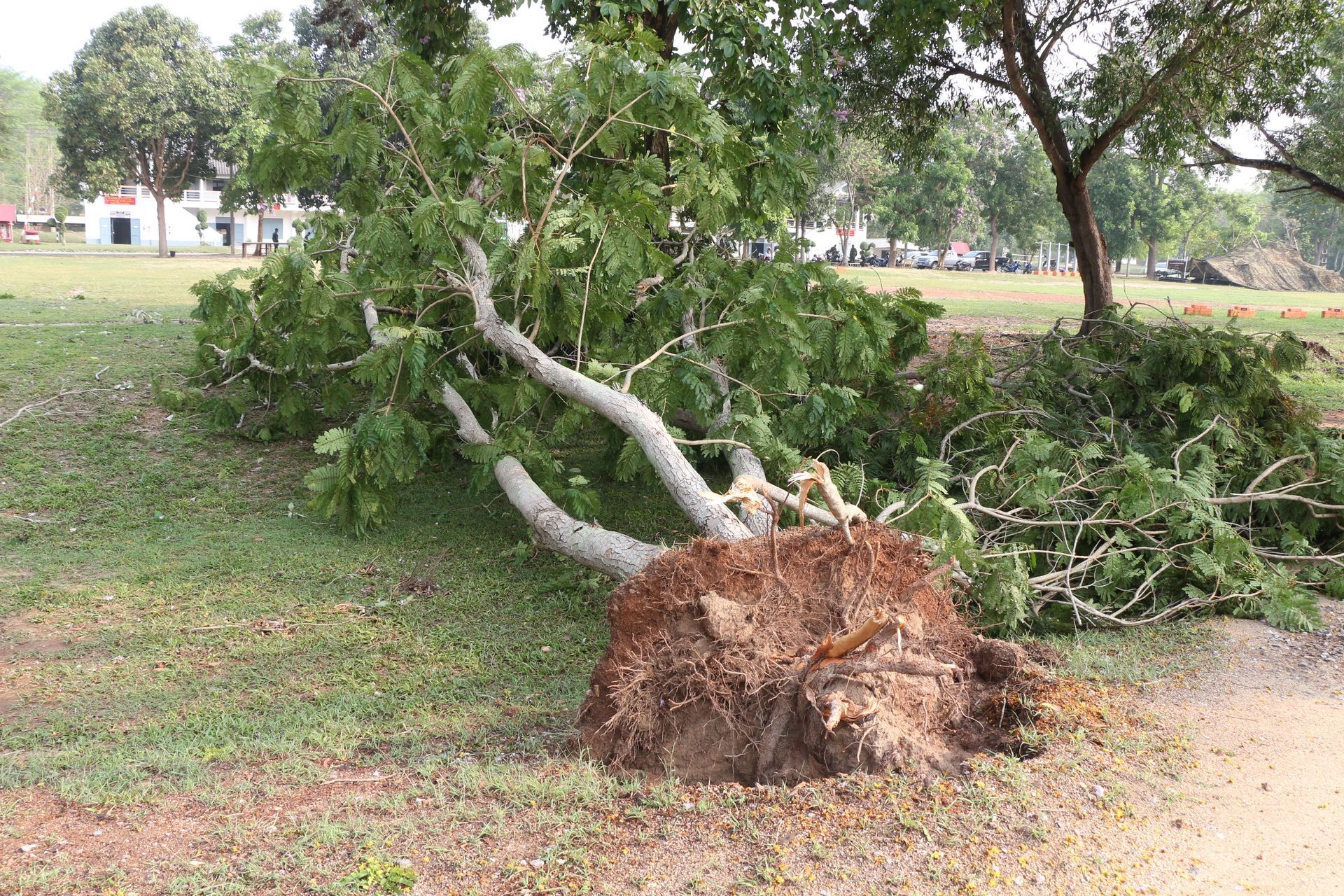
Clearing work requires attention to surrounding structures, property boundaries, and existing features. Trees and heavy branches can create hazards when they are unstable, damaged, or located near buildings and utility lines. Before work begins, property owners should point out known concerns and identify features they want protected. Professional local lot clearing also requires careful consideration of equipment movement and the condition of the terrain. Fences, driveways, landscaping, and neighboring properties should be considered when determining how work will proceed. Property owners should also clarify boundaries to avoid removing vegetation outside the intended work area. If utility lines or other restricted areas are present, they should be identified before equipment is used. Addressing these considerations early helps reduce avoidable problems and keeps the project focused on the agreed-upon areas.
Reviewing the Results After Clearing
When the main work is complete, taking time to review the property helps confirm that the project meets expectations. Walk through the cleared areas and compare the results with the original goals discussed before work began. Check whether the requested trees, brush, and other unwanted vegetation have been addressed. Make sure debris handling matches the agreed-upon arrangements and identify any areas that may need additional attention. A completed local lot clearing project should leave the property in a condition that supports the owner's next plans. However, the final appearance will depend on the scope of work, the natural condition of the land, and any additional preparation included in the project. This is also a good time to discuss ongoing vegetation management if the property is likely to become overgrown again. Reviewing the results provides an opportunity to ask questions and plan the next steps with a clear understanding of the property's condition.
Get Your Property Ready With Professional Clearing
Clearing an overgrown property can make it easier to access, maintain, and prepare for future improvements. From the initial assessment to vegetation removal and final cleanup, each stage contributes to the overall outcome. Danny McClain's Tree Care, LLC can help property owners take the next step toward creating a more accessible and usable outdoor space. If your lot needs attention, contact us to discuss your property, explain your goals, and learn more about available clearing services. A conversation about the condition of your land is a practical place to begin.